
















Key Capabilities
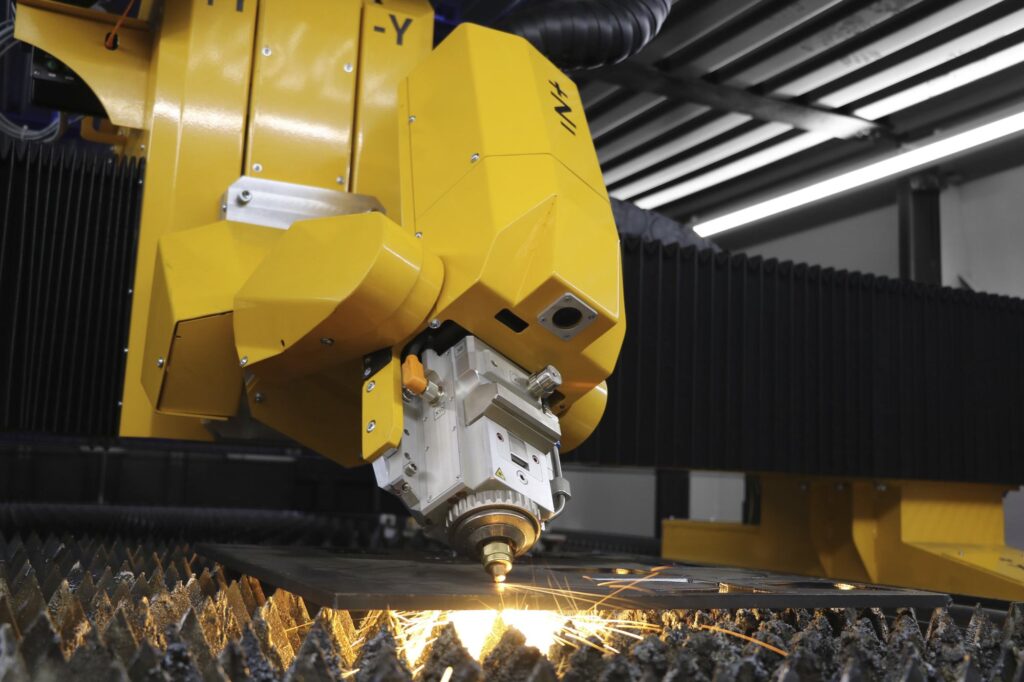
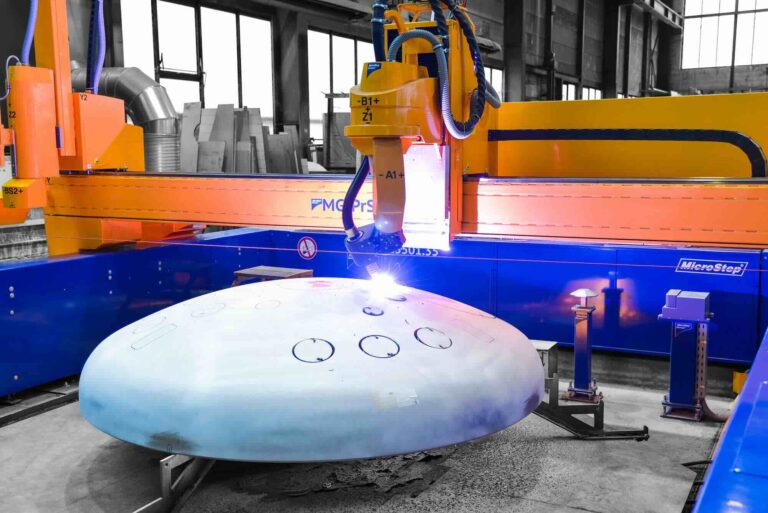
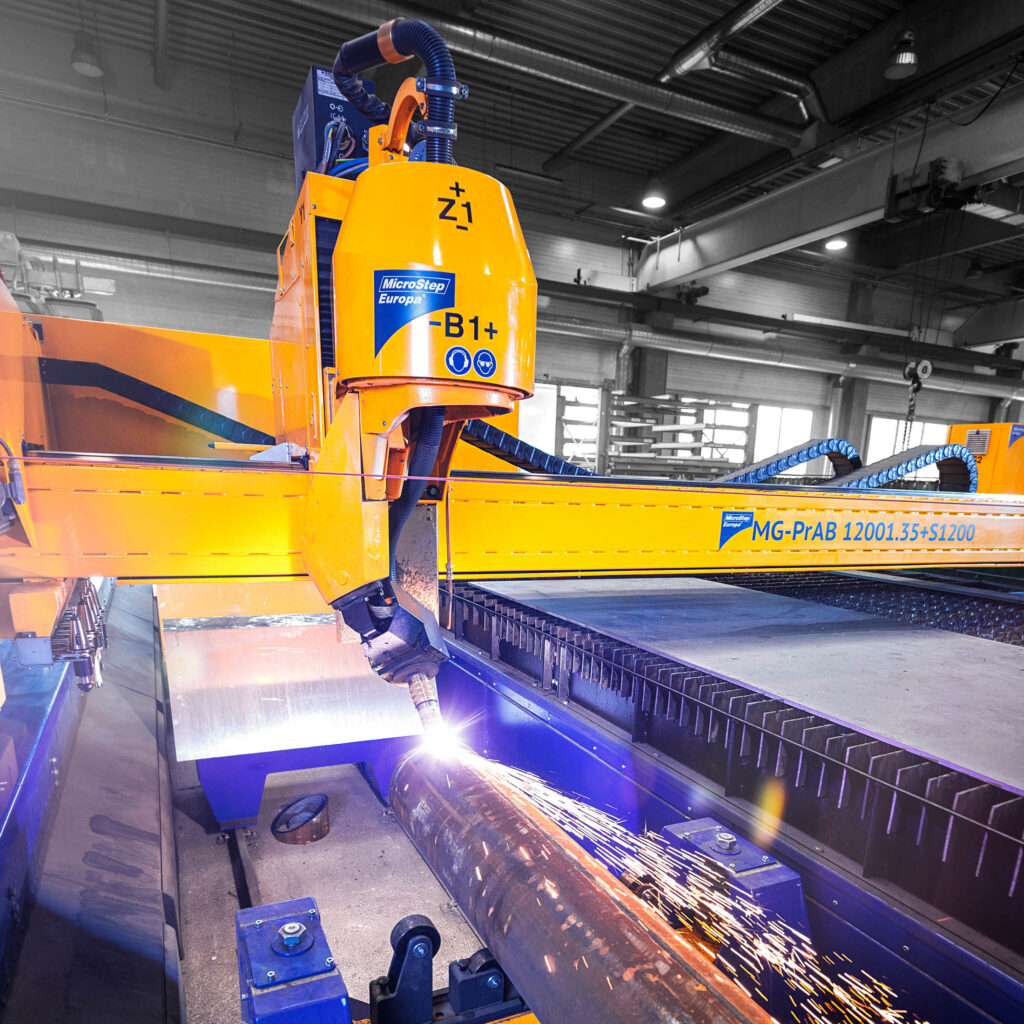
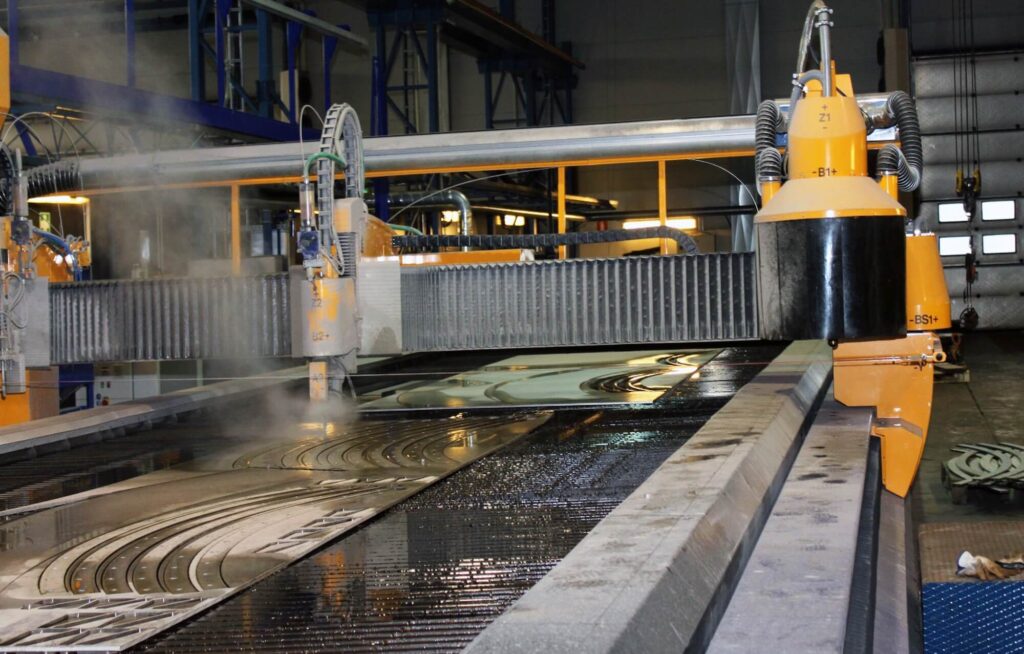
- Support for plasma, laser, oxyfuel and waterjet bevel cutting
- Weld edge preparation across a wide material thickness range from 5 mm to 300 mm
- Bevel geometries including A, V, Y, X and K
- Direct beveling on raw material with DBP
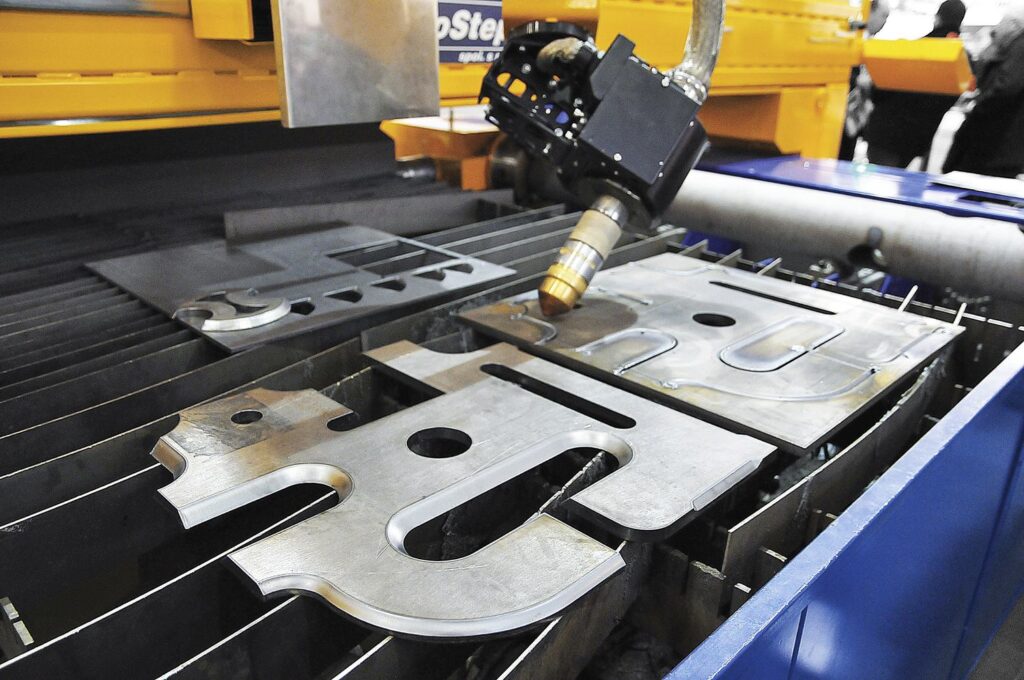
- Additional beveling on already cut parts with ABP
- Combination of multiple cutting technologies within a single cutting plan
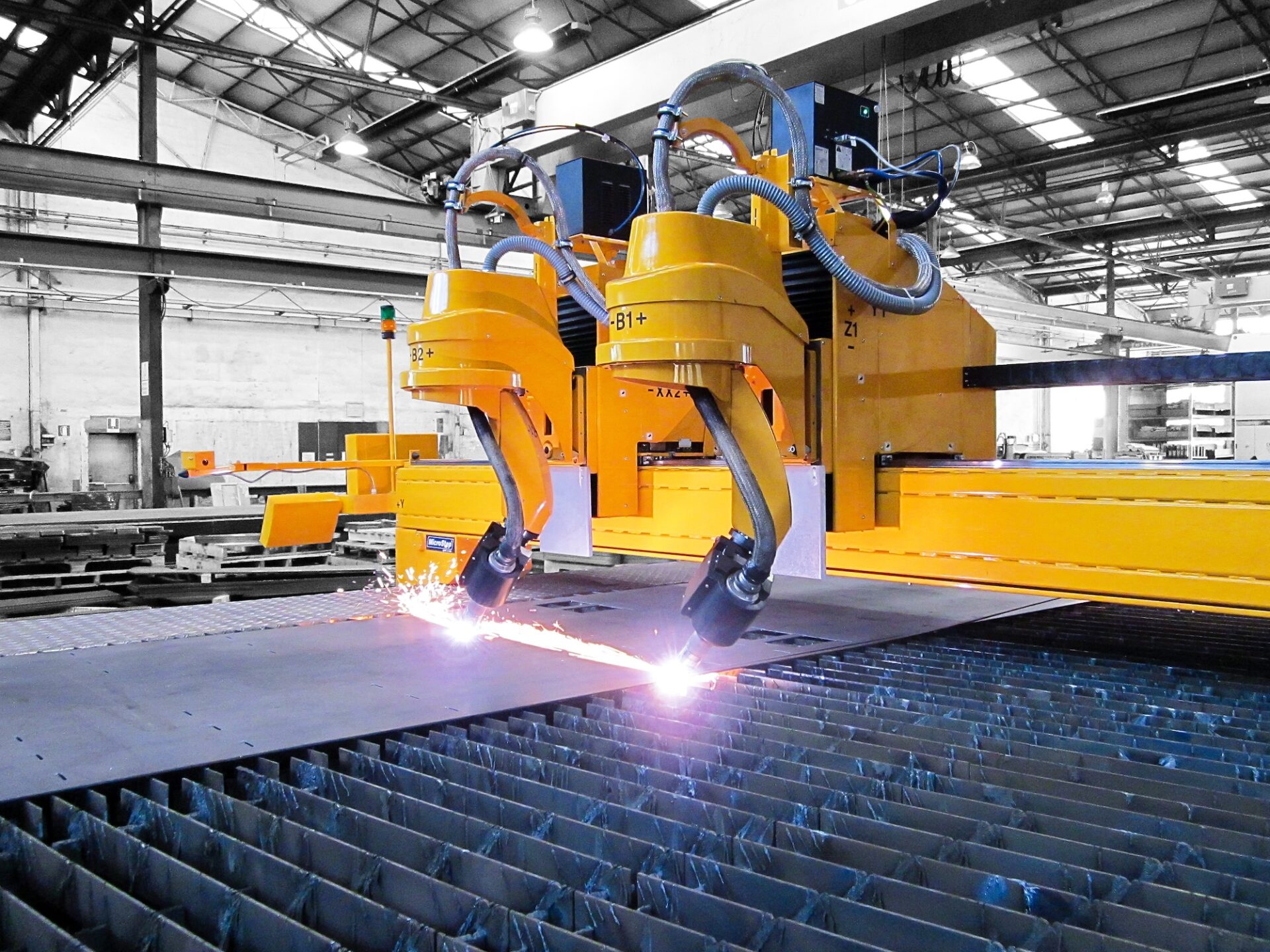
- Simultaneous cutting of two identical parts on machines with two rotators
Technology Highlights
Smart functions behind accurate bevel cutting
DBP – Direct beveling process
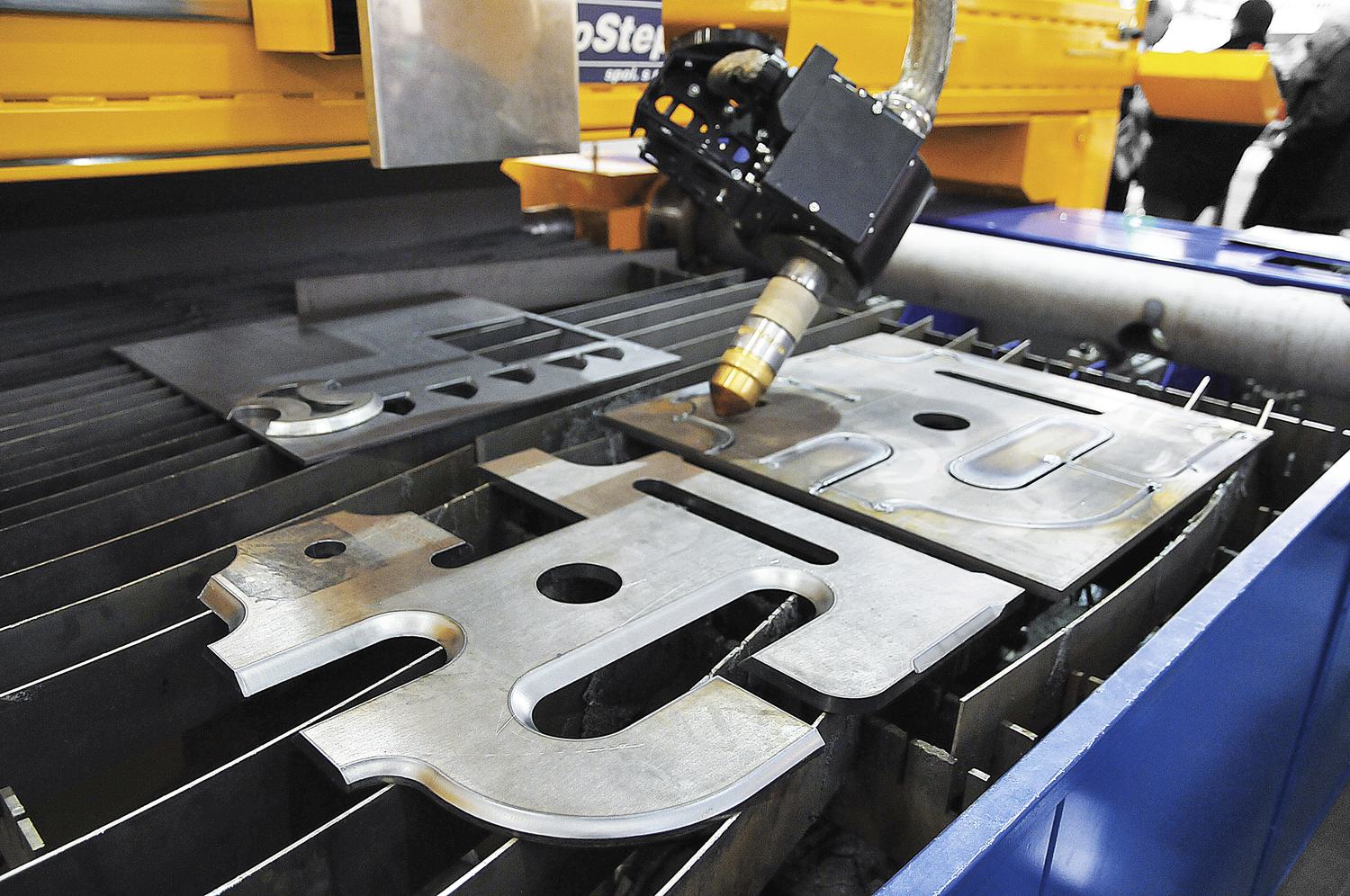
DBP represents the classic method of weld edge preparation, where the bevel is cut directly into the raw material. The required bevel geometry is created through multiple consecutive tool passes at different angles along the cut edge, enabling standard bevel shapes such as A, V, Y, X or K. This process makes it possible to achieve precise and repeatable weld edge preparation directly during cutting, without the need for additional downstream processing.
ABP – Additional beveling process
ABP enables subsequent beveling of parts that have already been cut with a straight tool, including plasma, laser, oxyfuel or waterjet. Instead of moving parts to a separate workstation or robot cell, additional weld edge preparation can be performed directly on the cutting machine. This helps streamline production, reduce handling time and provide an efficient solution for accurate beveling on pre-cut parts.
ITH – Intelligent torch holder
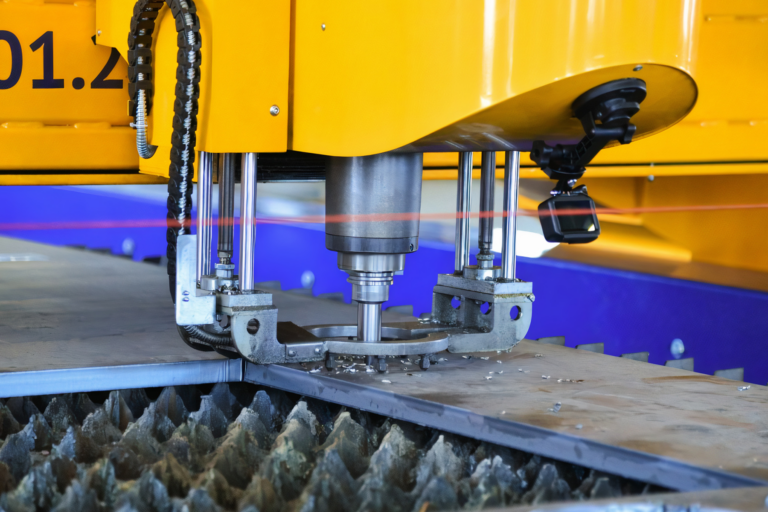
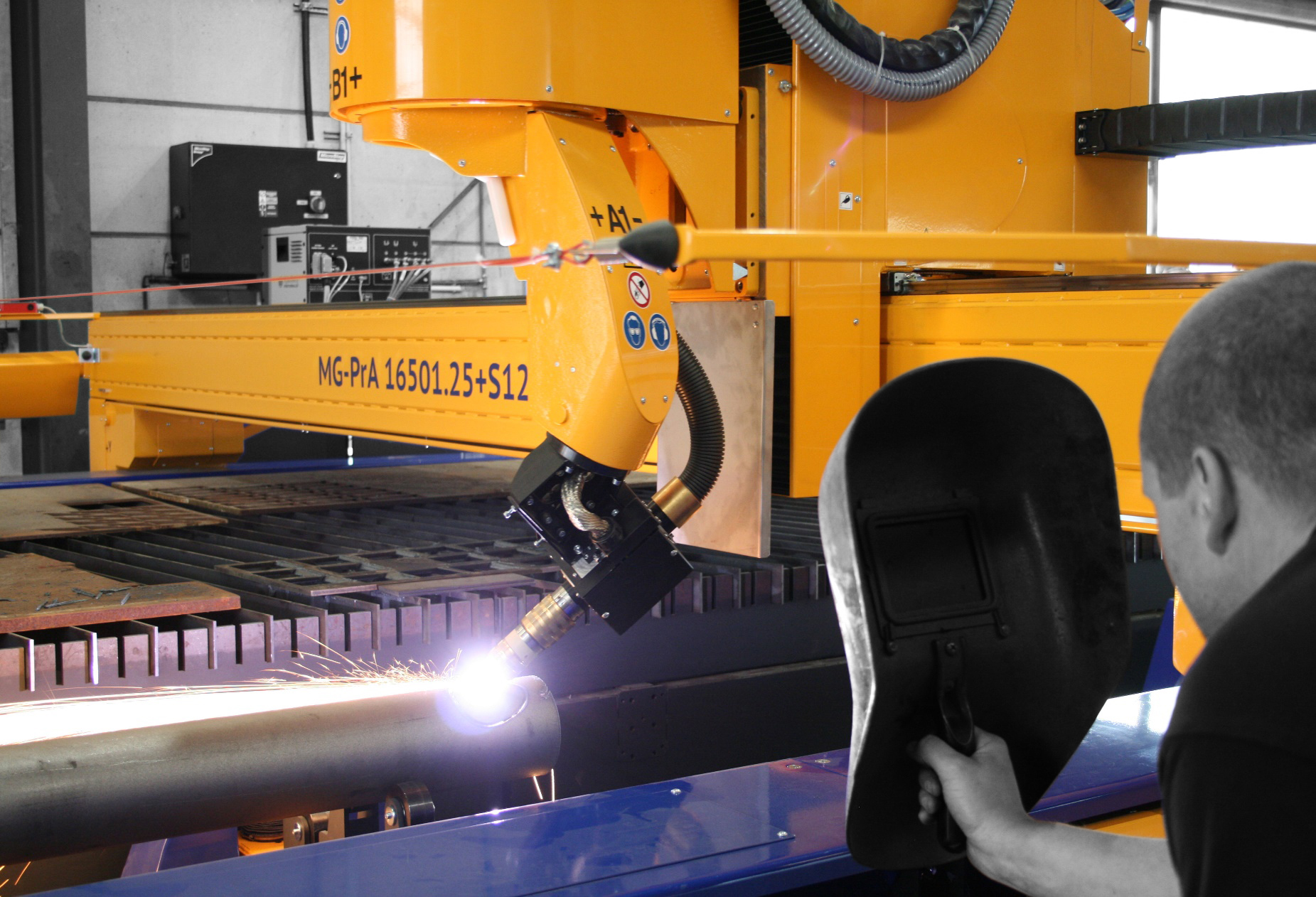
ITH protects the torch in the event of accidental collision. Its slip-back function returns the torch to the correct position after the collision is cleared, and its integrated sensor system supports accurate torch position detection. The design also enables endless rotation.
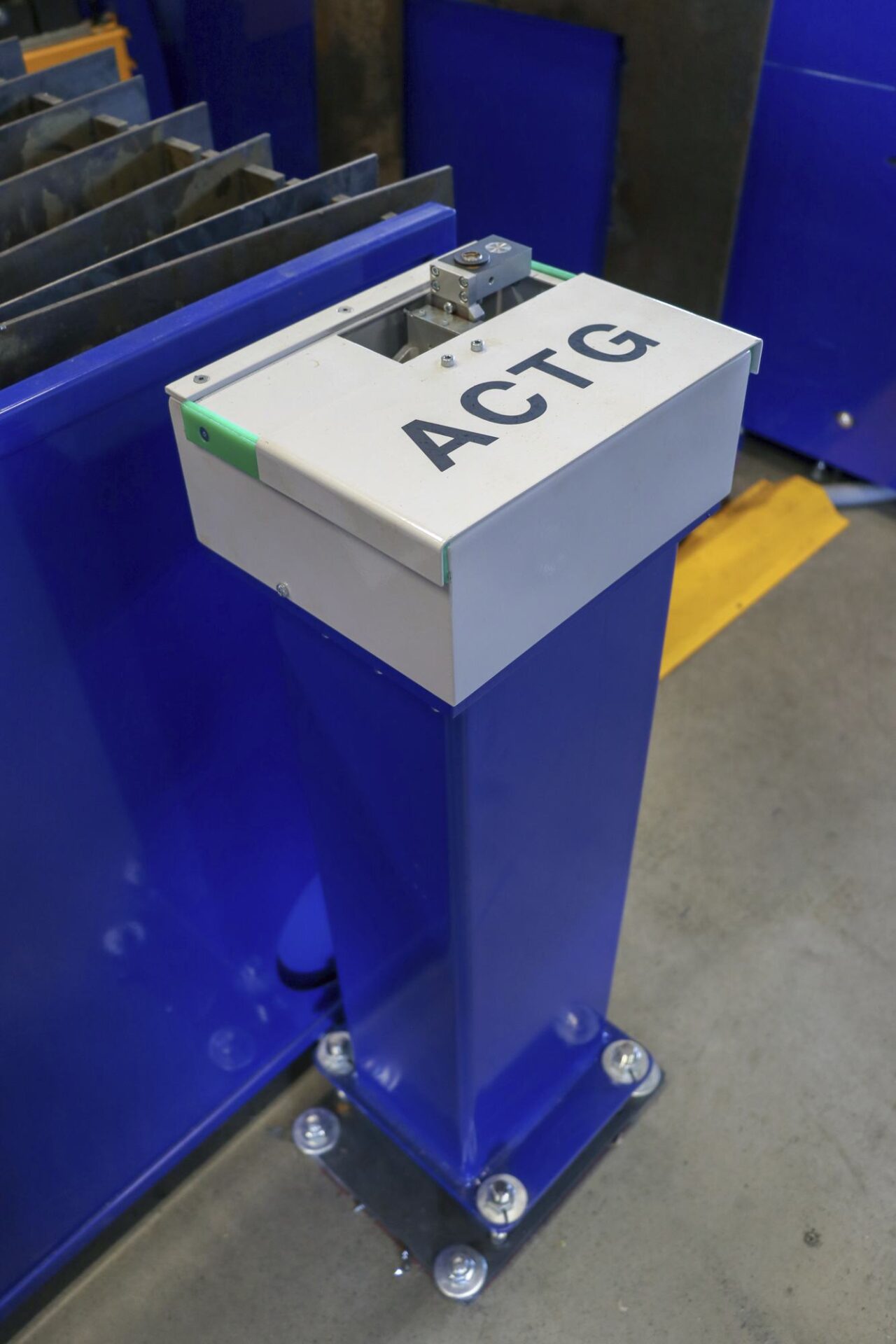
ACTG – Auto-calibration of tool geometry
ABC is a compensation function developed to improve bevel accuracy by correcting the natural deviations that occur when the cutting tool is tilted. The system works with predefined compensation values and technology-specific settings to optimize bevel geometry across different cutting conditions and materials. By compensating for process-related inaccuracies, ABC helps deliver more precise bevel angles and better overall cut quality.
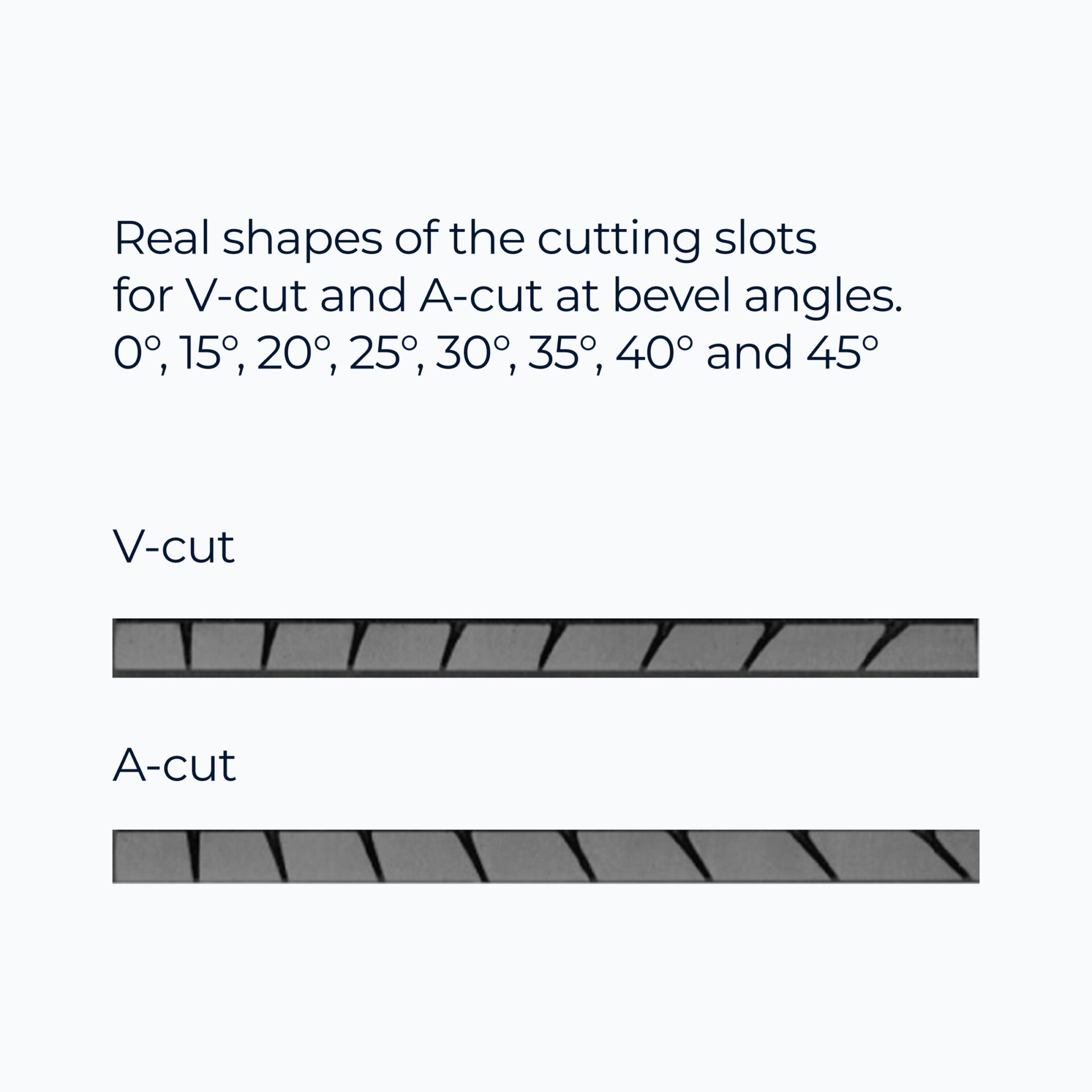
ABC – Adaptive bevel compensation
ABC is a compensation function developed to improve bevel accuracy by correcting the natural deviations that occur when the cutting tool is tilted. The system works with predefined compensation values and technology-specific settings to optimize bevel geometry across different cutting conditions and materials. By compensating for process-related inaccuracies, ABC helps deliver more precise bevel angles and better overall cut quality.
STHC – Self-teaching height control
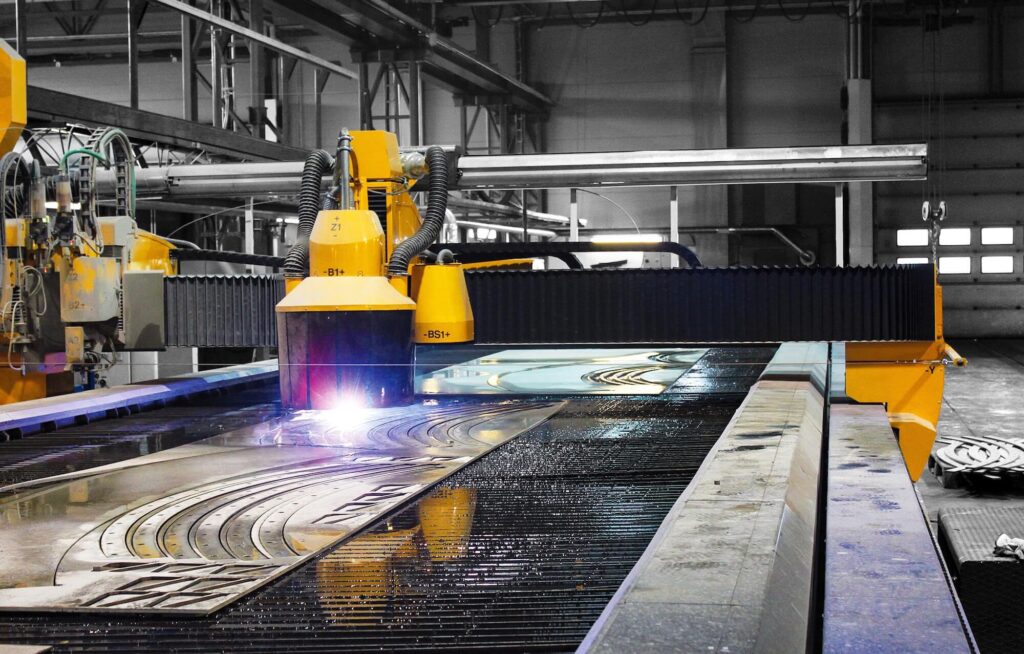
STHC is designed to maintain the correct torch height during plasma bevel cutting, even when the cutting angle changes. The system combines 3D motion control, self-teaching algorithms and adaptive height control based on plasma arc voltage to keep the torch at the proper distance from the material surface. This helps ensure stable cutting conditions, improved process reliability and more consistent bevel quality in demanding plasma applications.
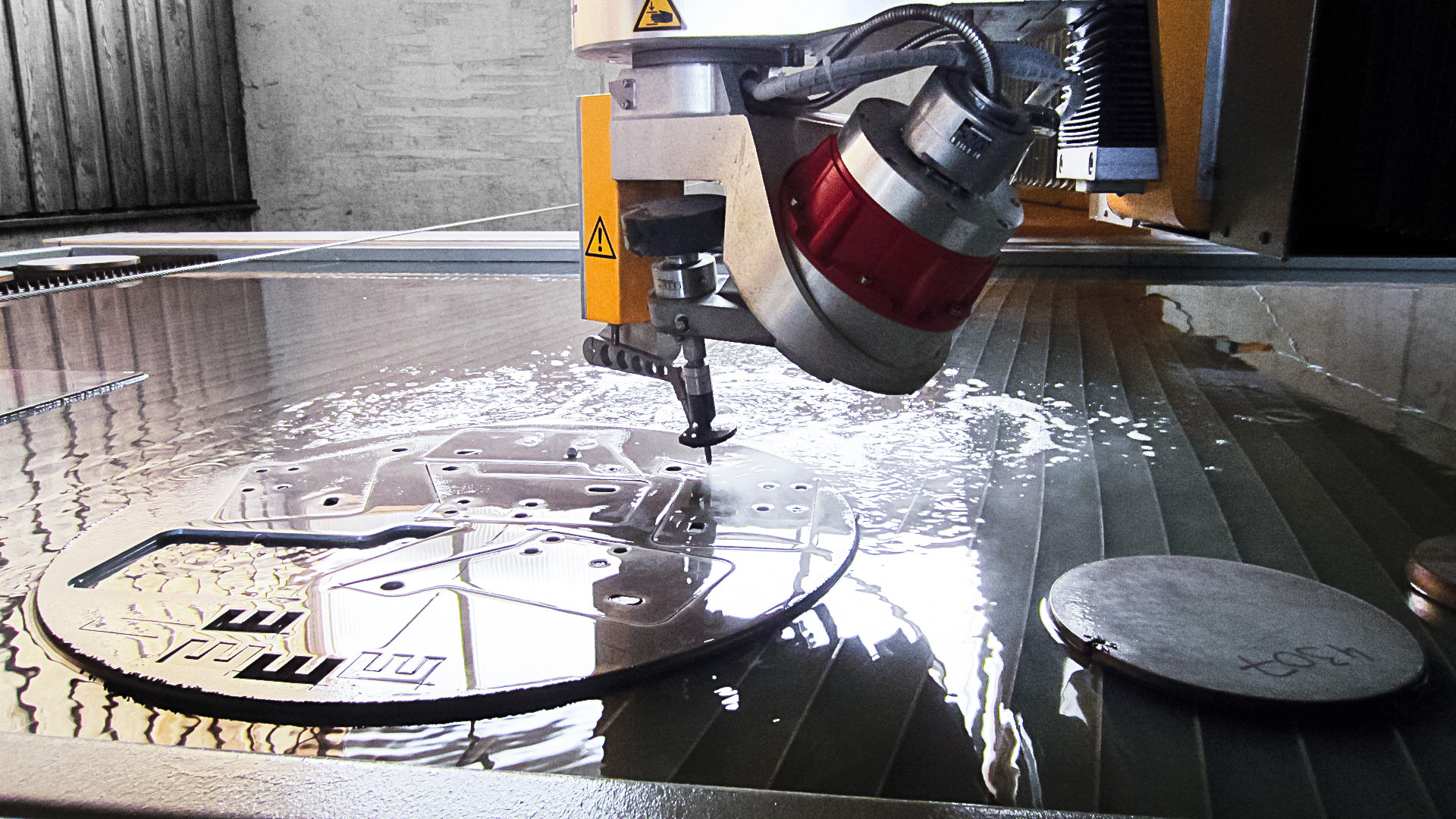
One cutting plan, multiple technologies
With the in house iMSNC control system, MicroStep machines can combine technologies such as plasma and waterjet in one cutting plan, giving manufacturers more flexibility across applications and materials.
Main Advantages
- Higher bevel precision and repeatability
- Significant savings in production time and capacity
- Faster and simpler setup with ACTG
- More cost-effective than robots in selected 3D applications
- Consistent results across multiple cutting technologies