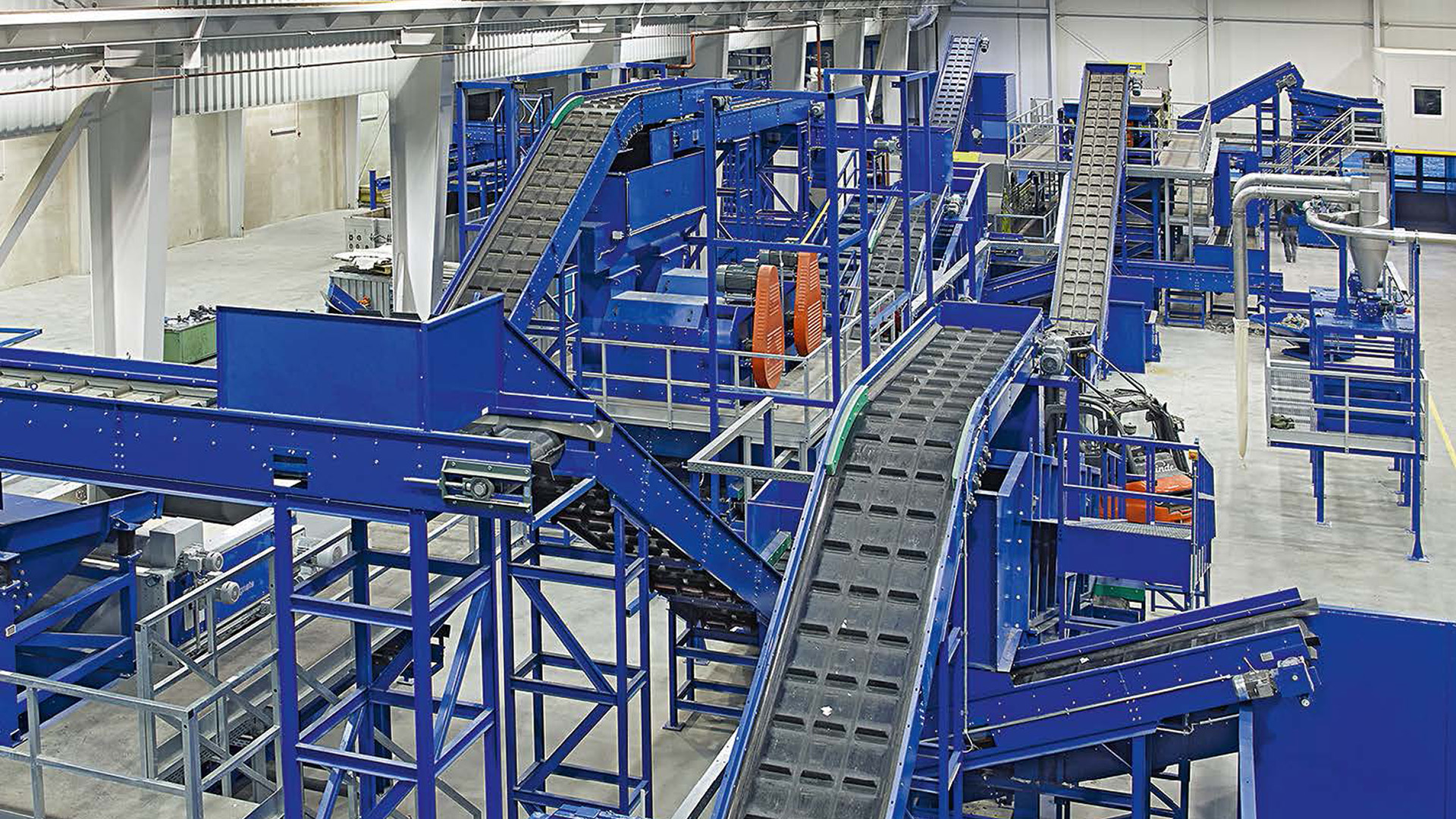


In the realm of plastic recycling, large automated systems are essential to perform the steps that give old PET bottles their new life. As part of the internationally active STF Group, the company based in a small village near Passau in Lower Bavaria, produces these large-scale solutions for the global market as well as other custom-built machines of extraordinary dimensions.
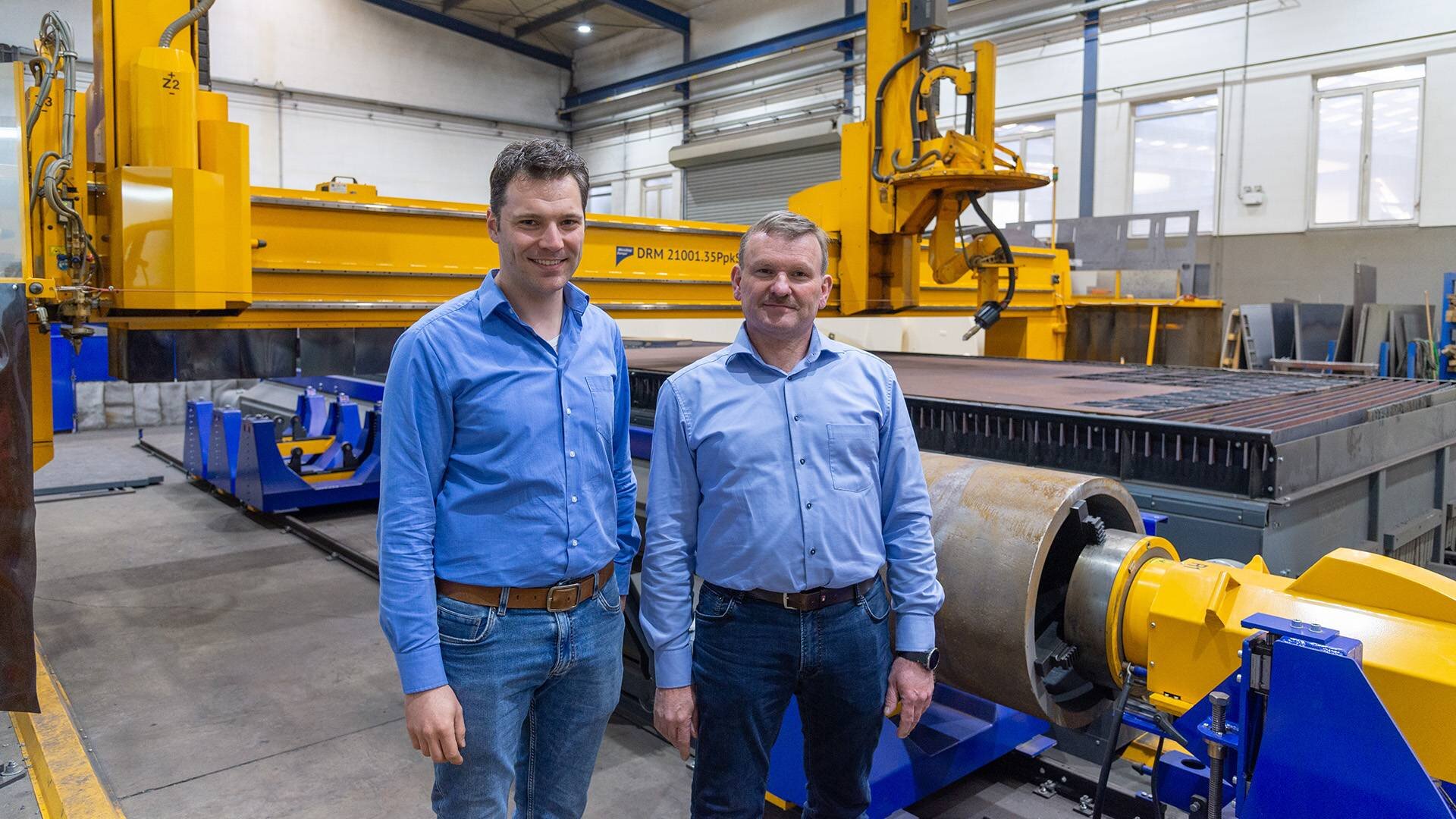
When clients seek help from STF Maschinen- und Anlagenbau GmbH, it’s mainly for heavy, large-scale, complex tasks. “Our main focus is developing and manufacturing plastic recycling plants. Our second area of focus is heavy machinery, where we build custom machines for major clients with high quality standards. These are not mass-produced but essentially unique machines,” explains Reinhard Friedl, Technical Operations Manager. “Our customers know we are flexible and react quickly. We listen and respond to their wishes.”
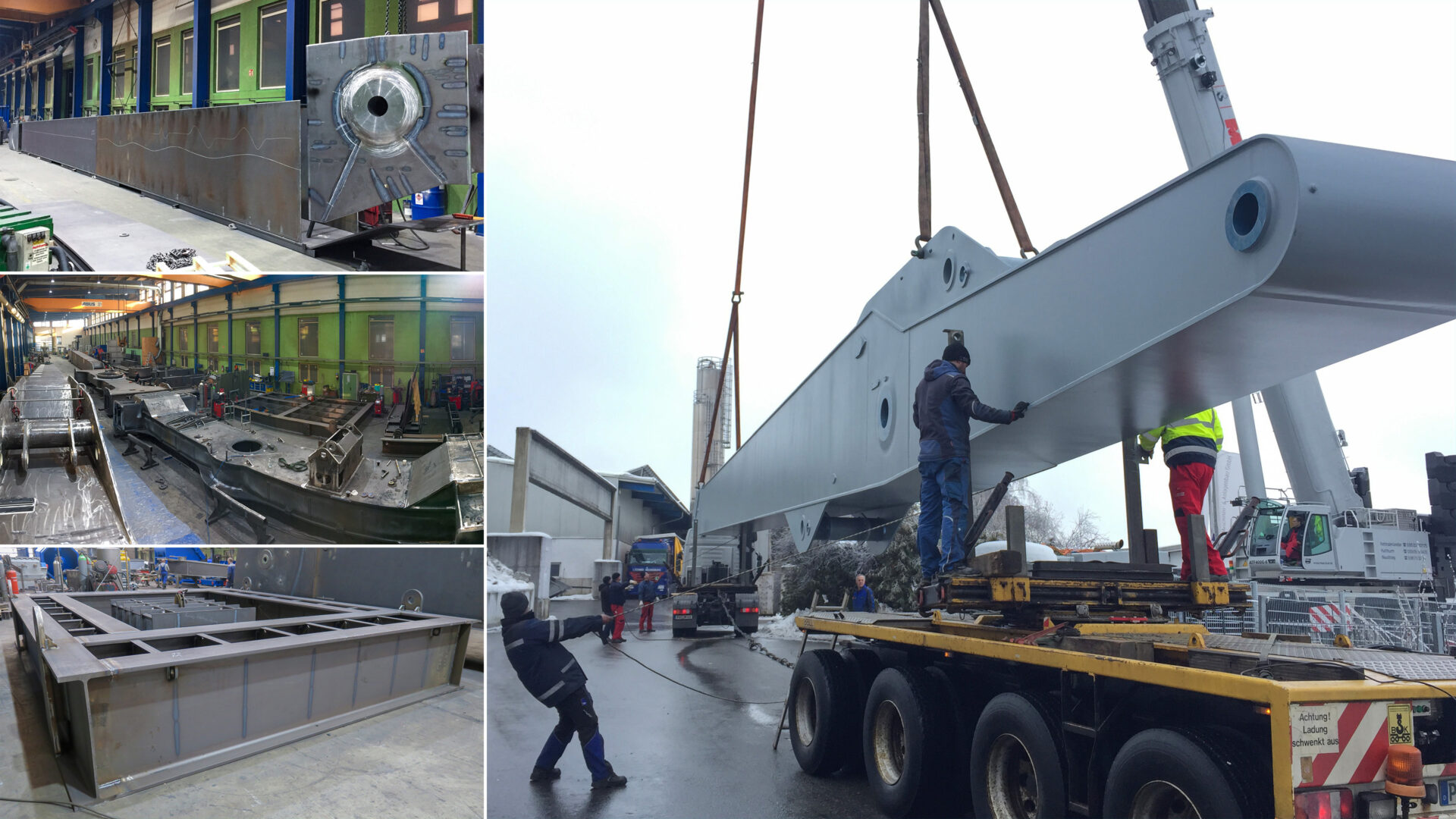
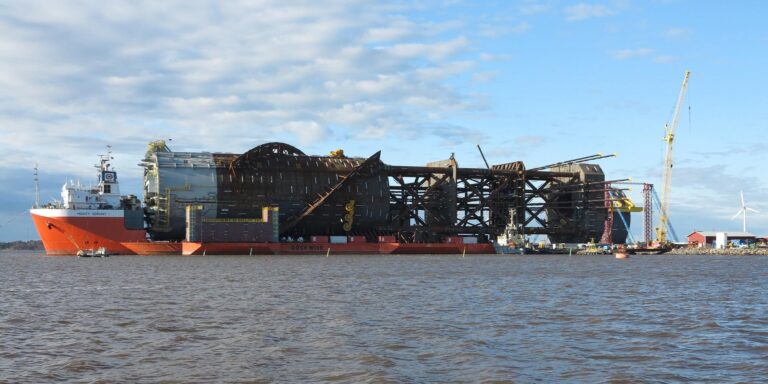
The results of intensive work by 80 employees leave the factory in Aicha vorm Wald to be assembled and commissioned all around the world: plastic recycling machines for PET bottles, port facilities, cranes, helicopter test stands, base frames and housings for gas turbines, water pumps on oil rigs. Everything is done in-house: cutting, edge processing, assembling, welding, machining, painting, final assembly, testing, and delivery.
The challenges are growing. Where once 1 ton of plastic per hour was once processed, it’s now 3 tons. The quality and tolerance standards, especially for plastic recycling systems, have reached the highest levels. “The systems are getting faster and larger and production capacity must continually increase. This is a challenge for design, programming, production, and assembly,” says Christian Kühberger, the person responsible for production preparation.
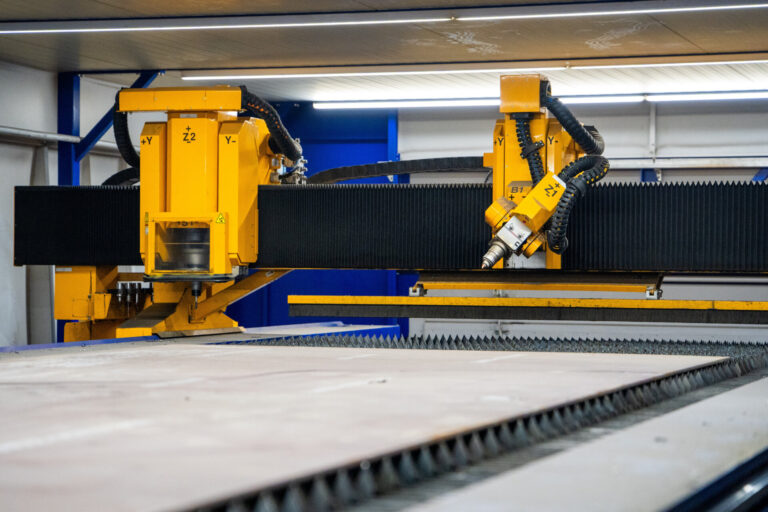
STF need machinery that could keep up with the growing demands. Over time, its older 3D plasma cutting system couldn’t handle the increasing workload, which led to more outsourced jobs and longer wait times. “For parts over 12 meters long, we faced long delays and high costs,” recalls Friedl. At first, the company contemplated simply buying a longer 3D plasma cutting machine. However, through extensive research and consultations, the team realized the necessity for a more versatile machine. “We reached out to several manufacturers to see what their machines could do,” says Kühberger. After thorough evaluations, MicroStep emerged as the best option. “MicroStep was the producer that offered the best overall package. We realized we could process pipes, profiles, and thick sheets with precise bevel cuts,” Kühberger explains. “The MicroStep machine offered the most capabilities.”
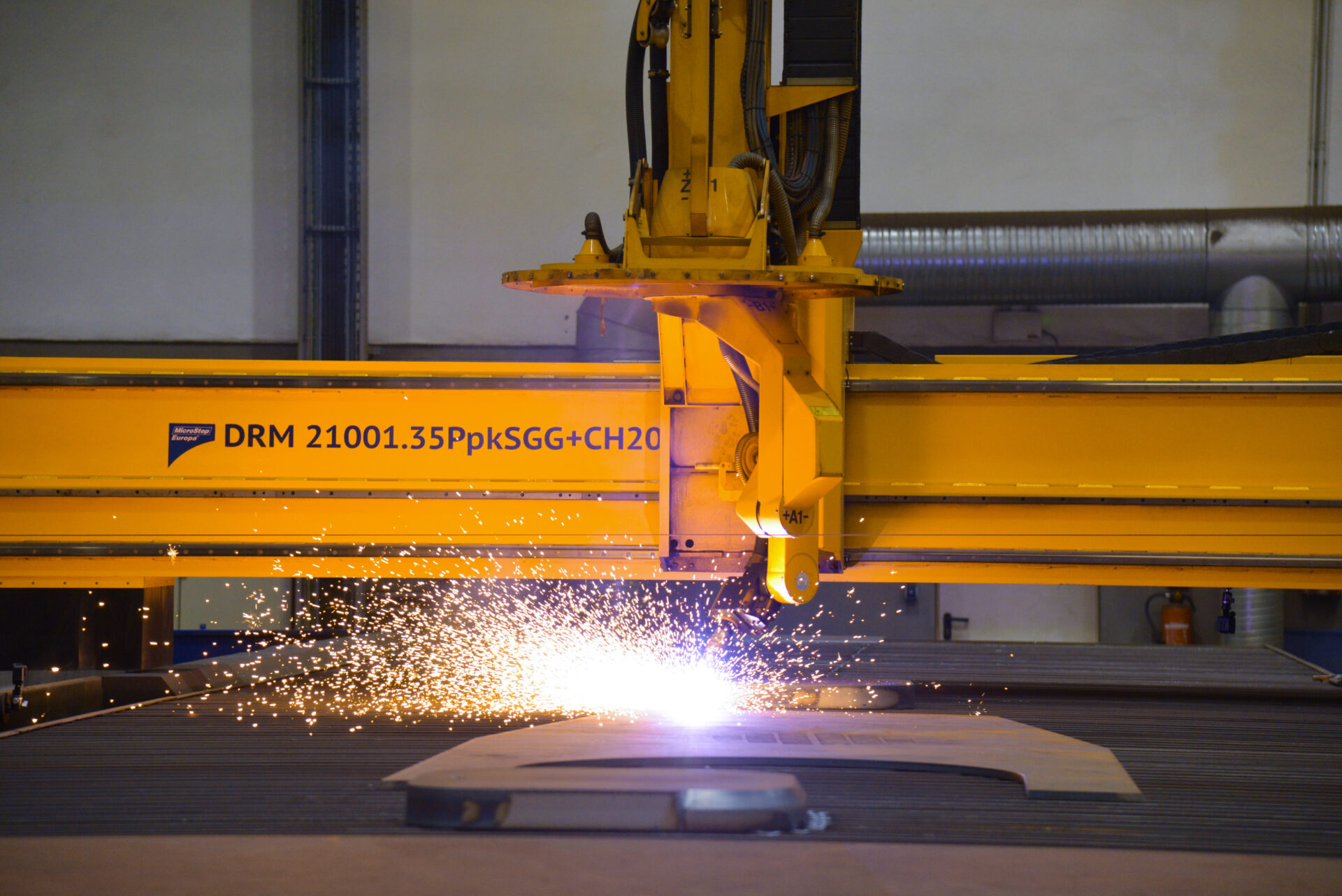
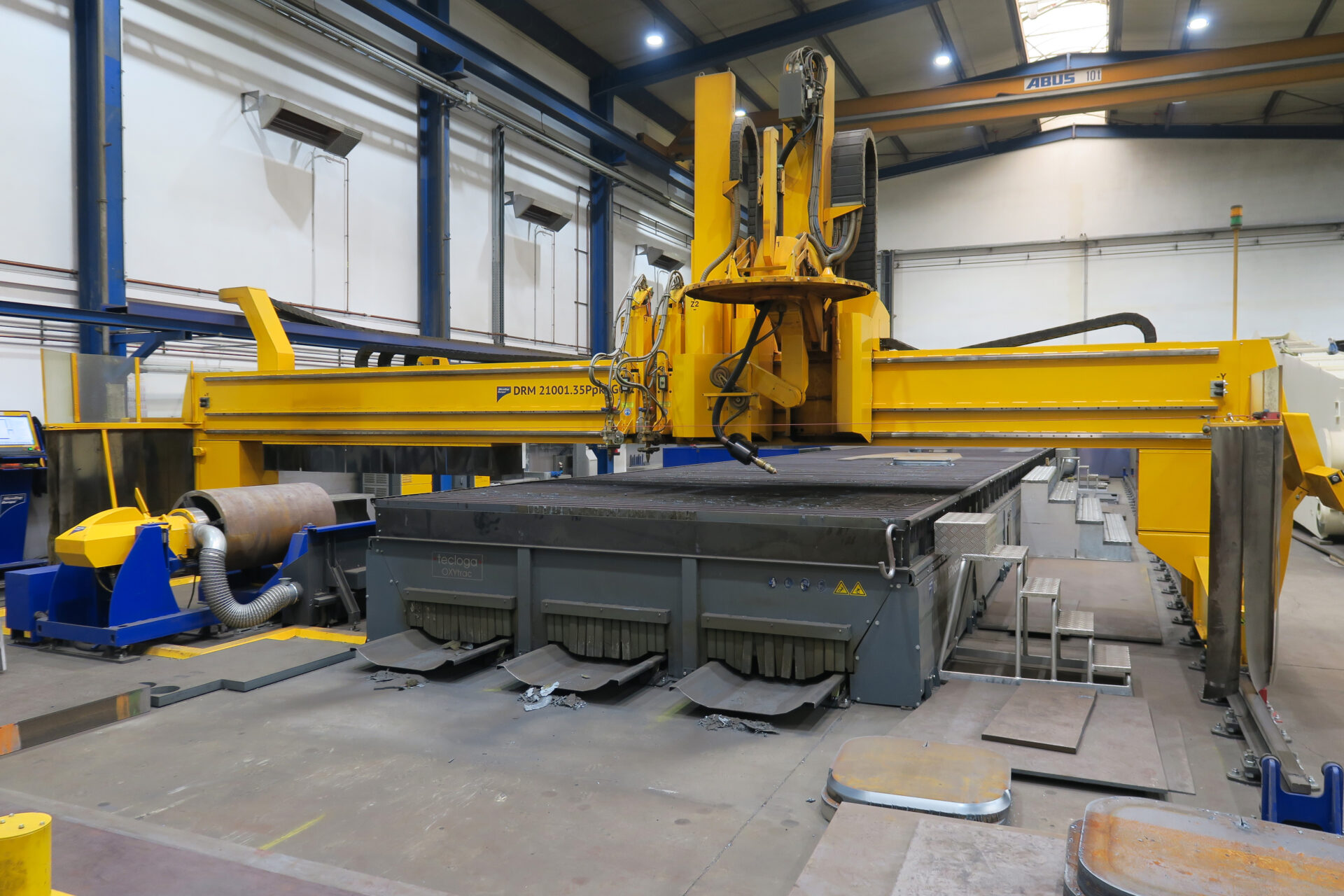
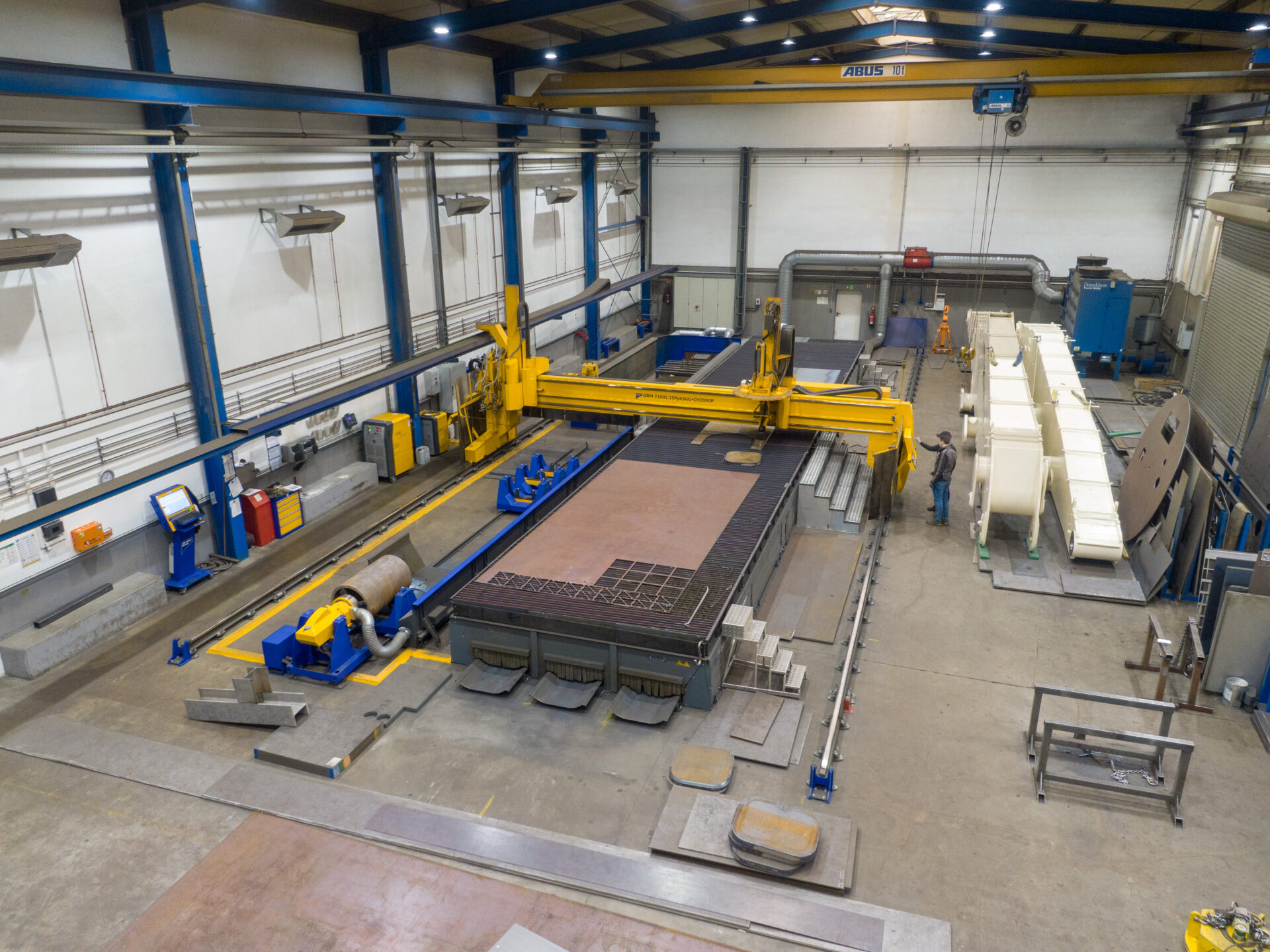
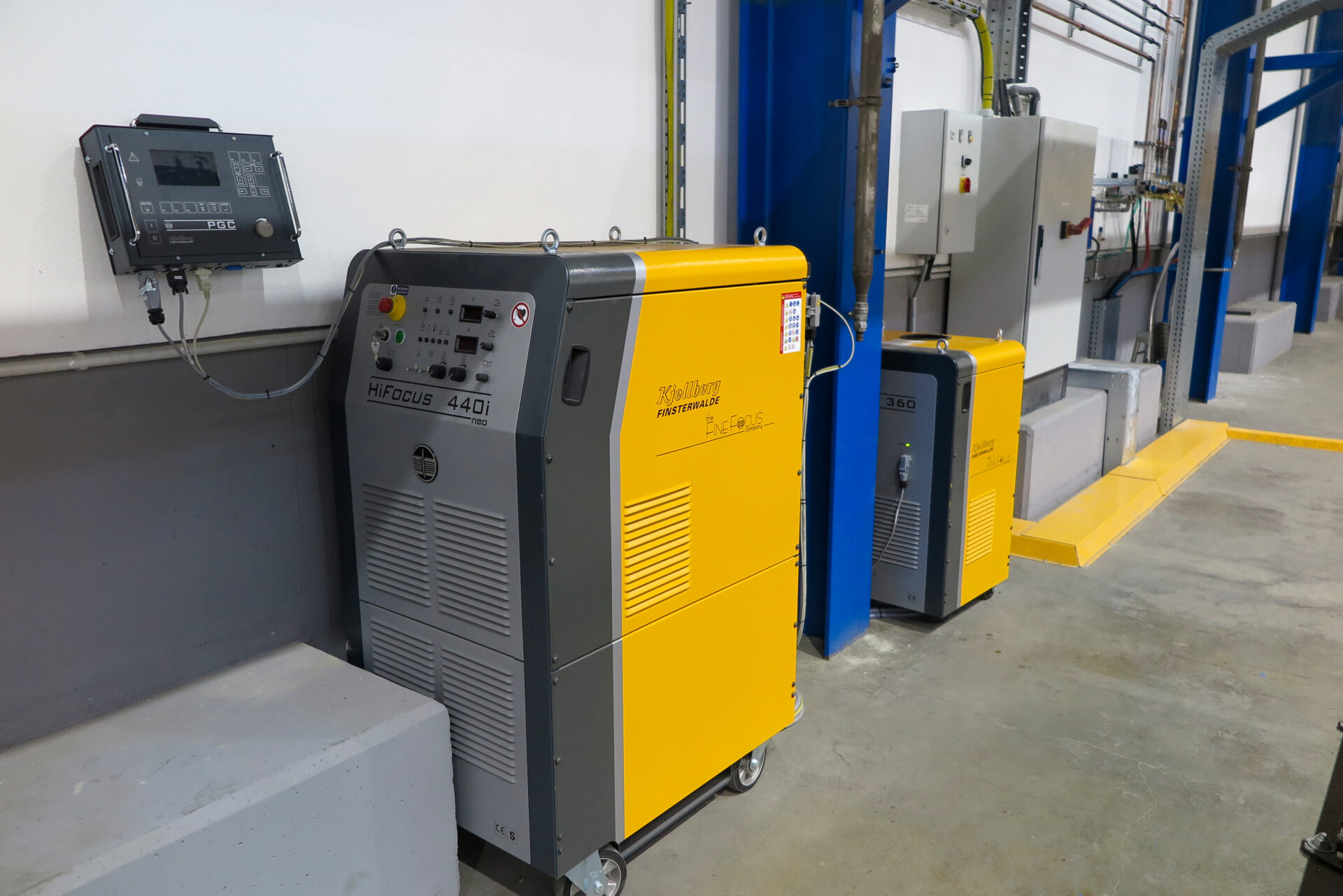
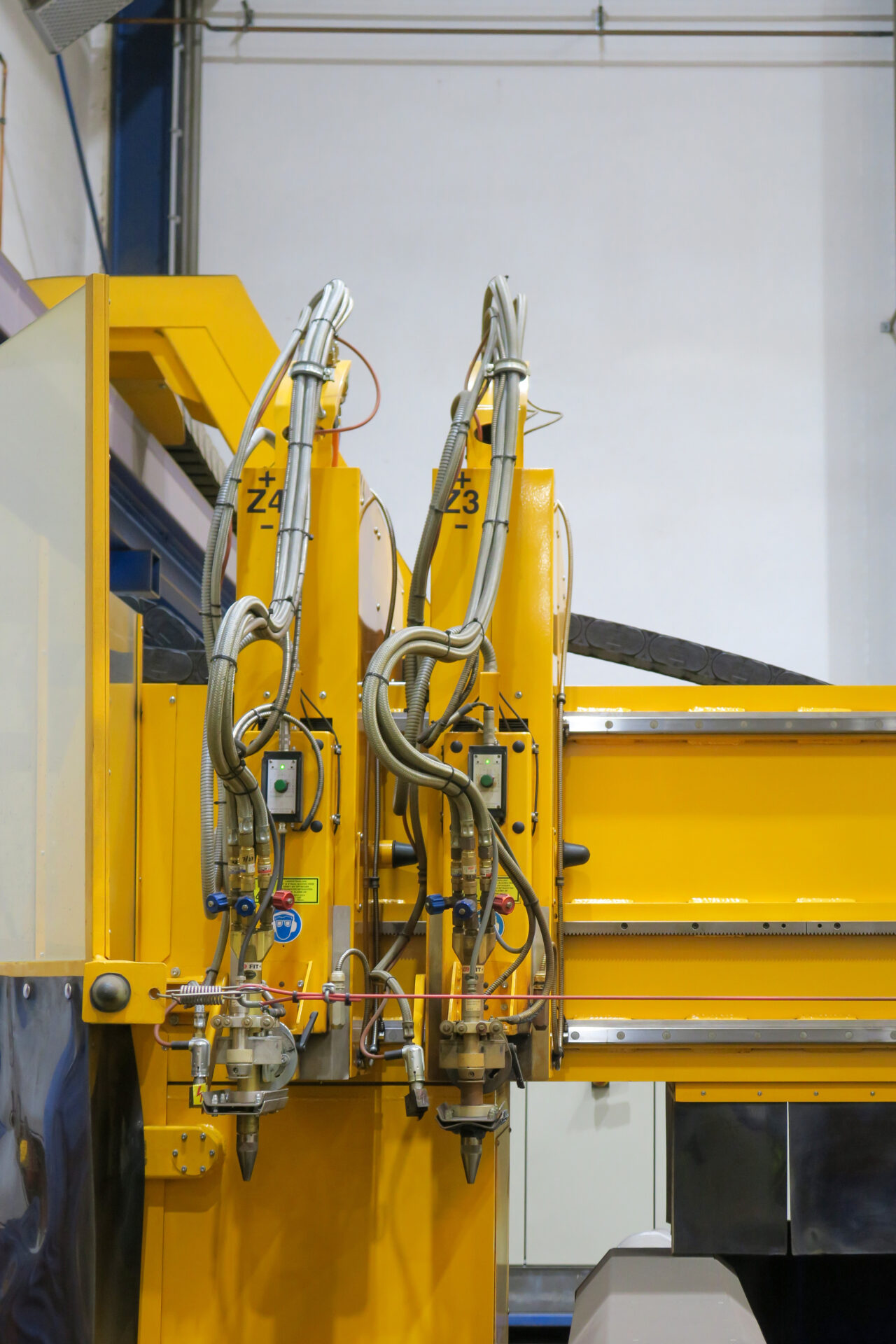
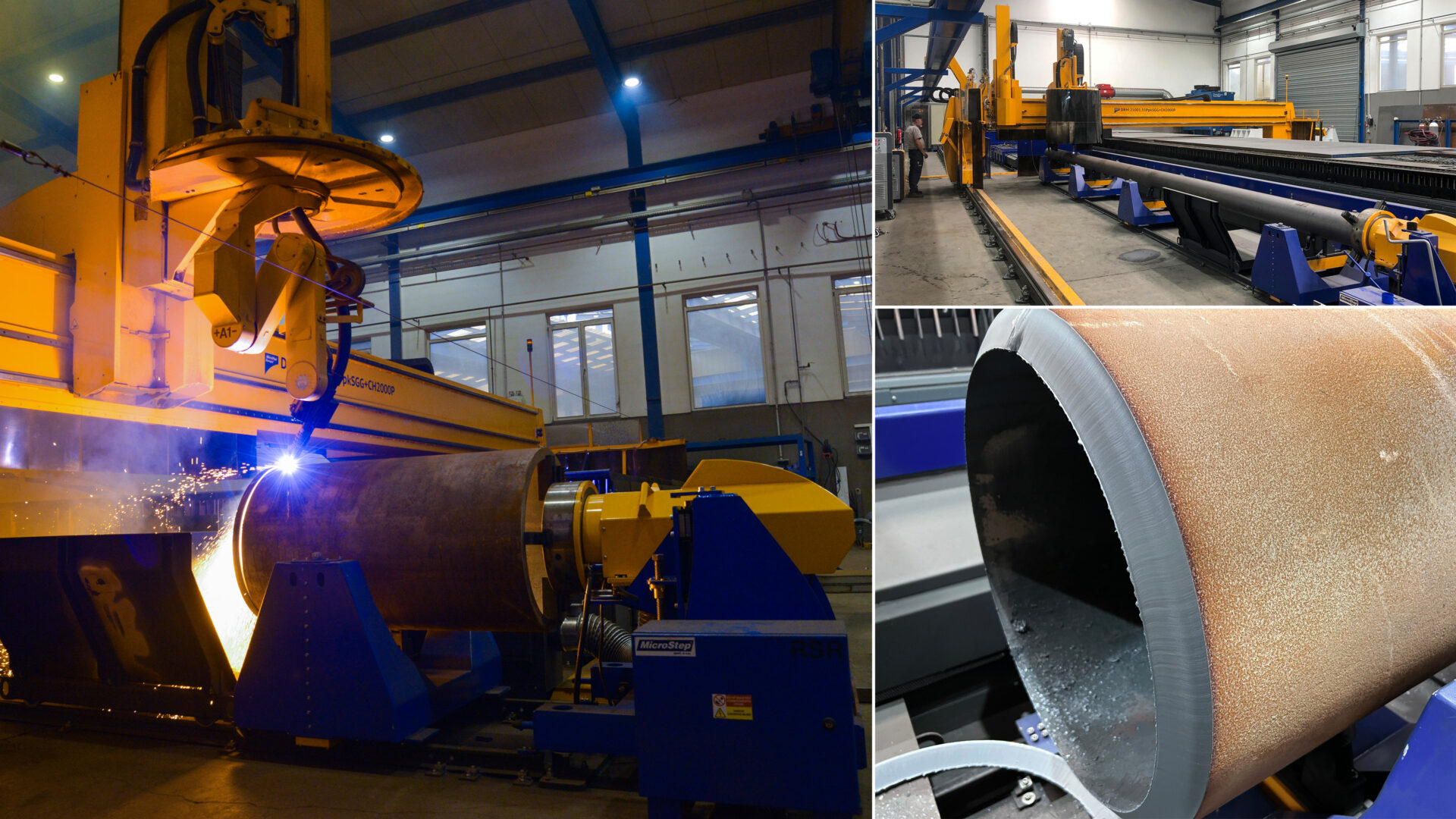
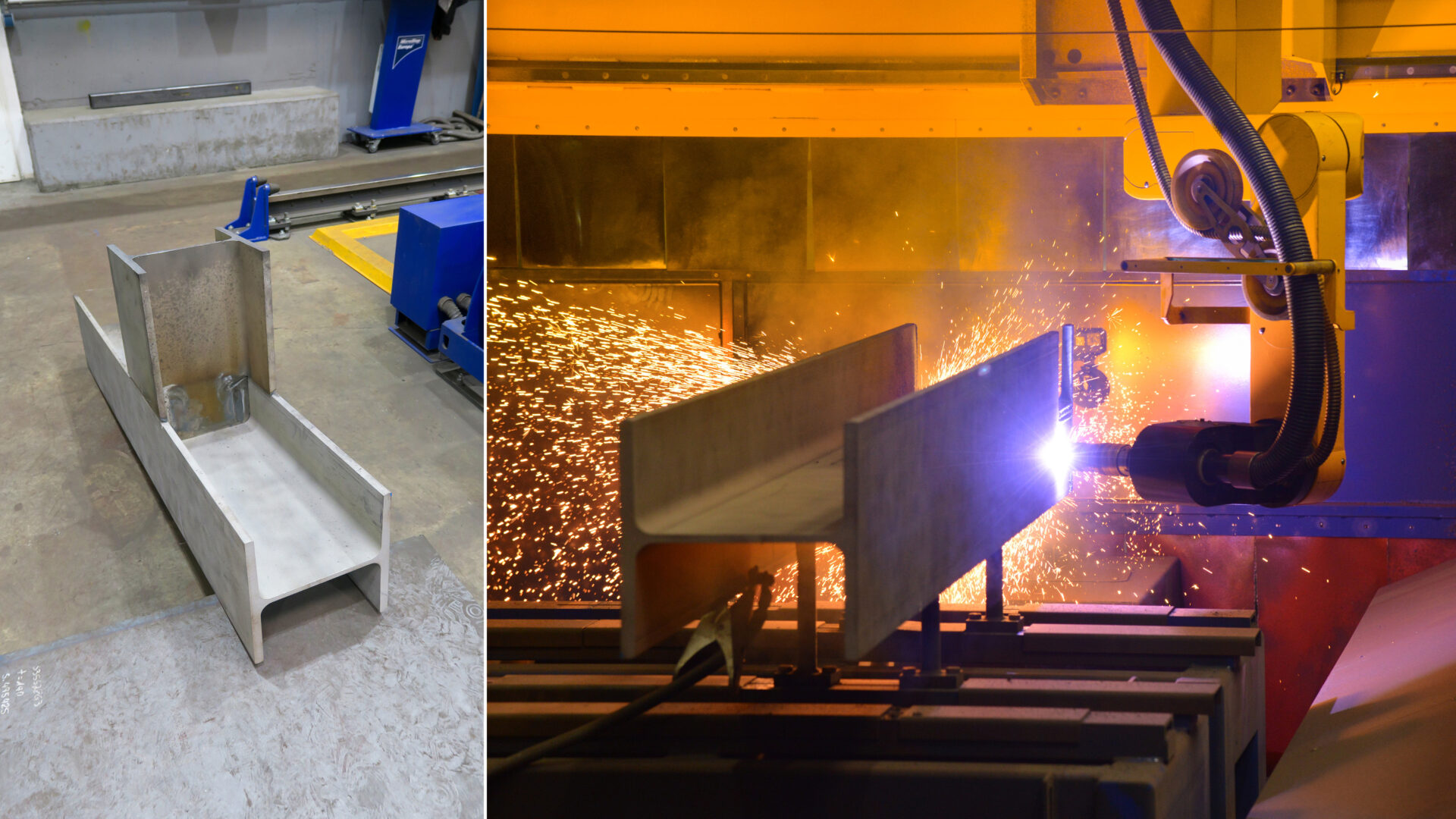
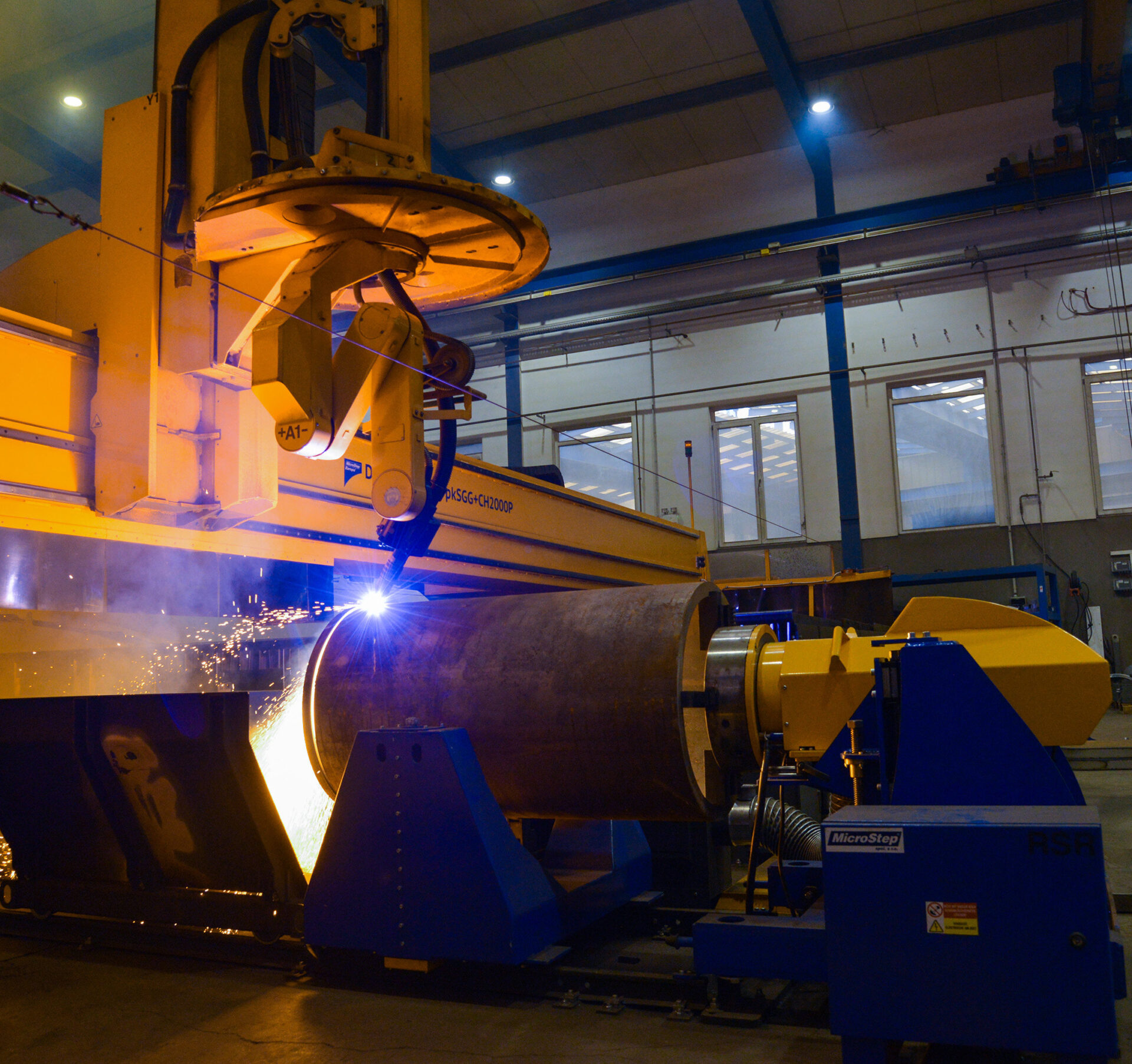
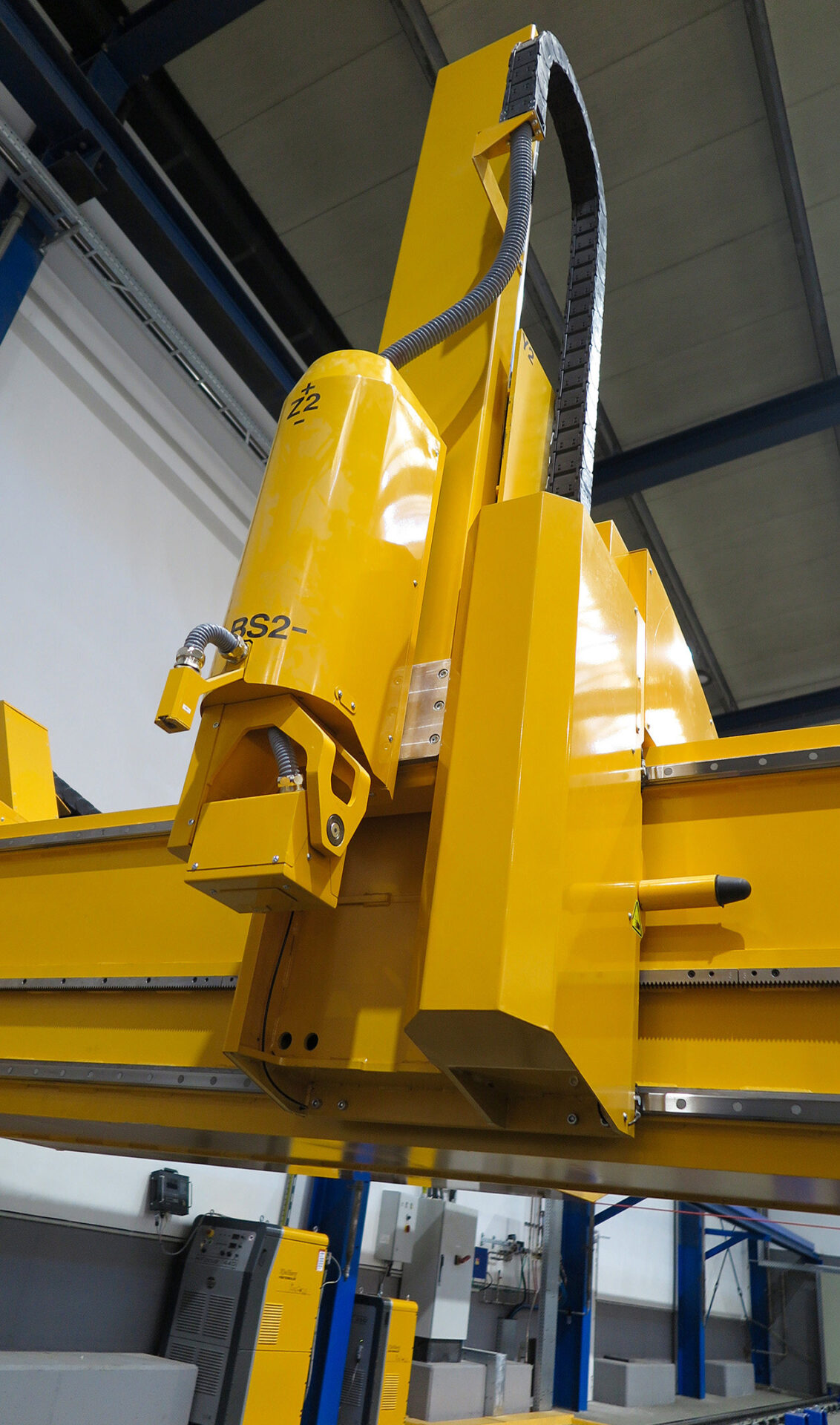
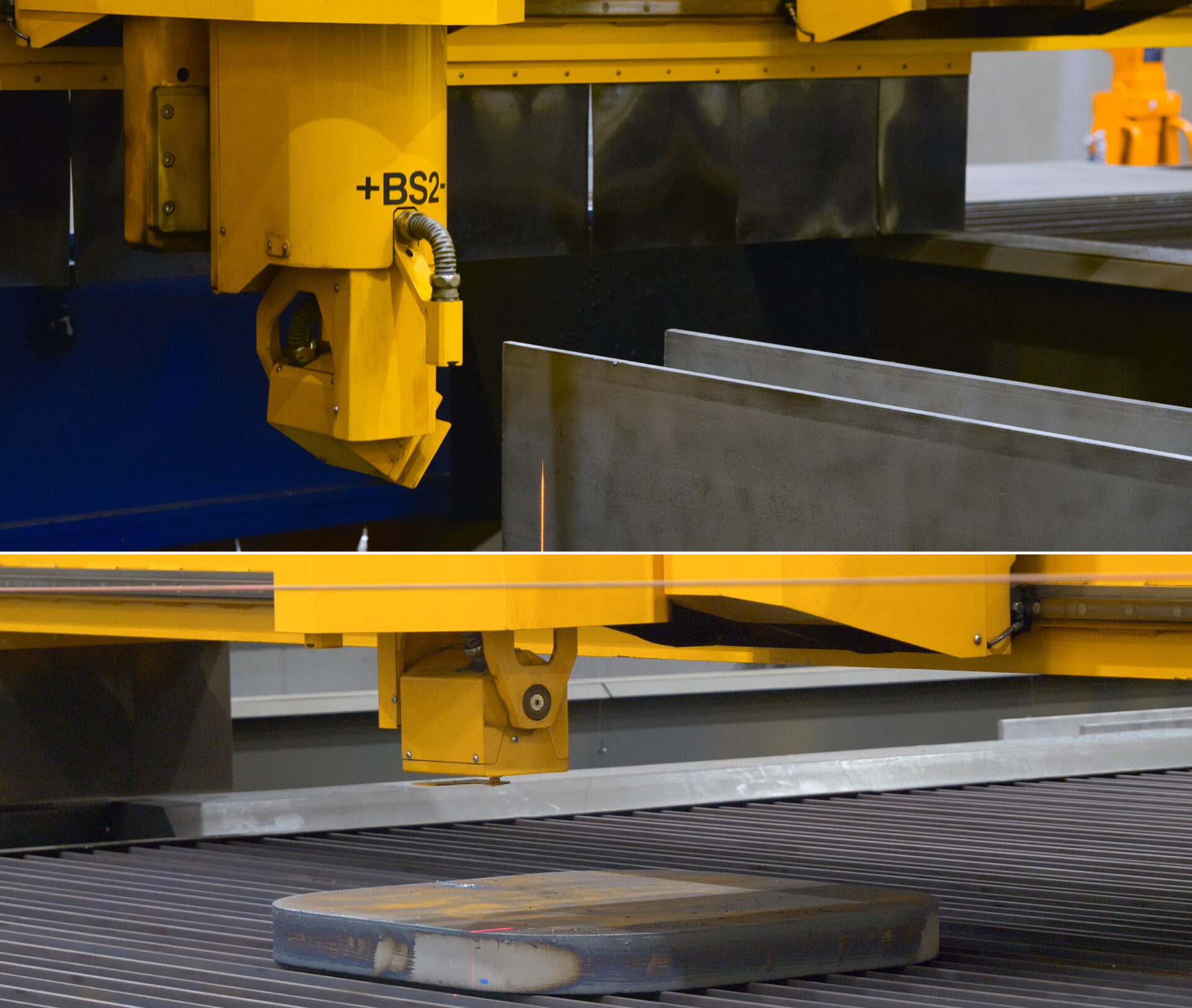
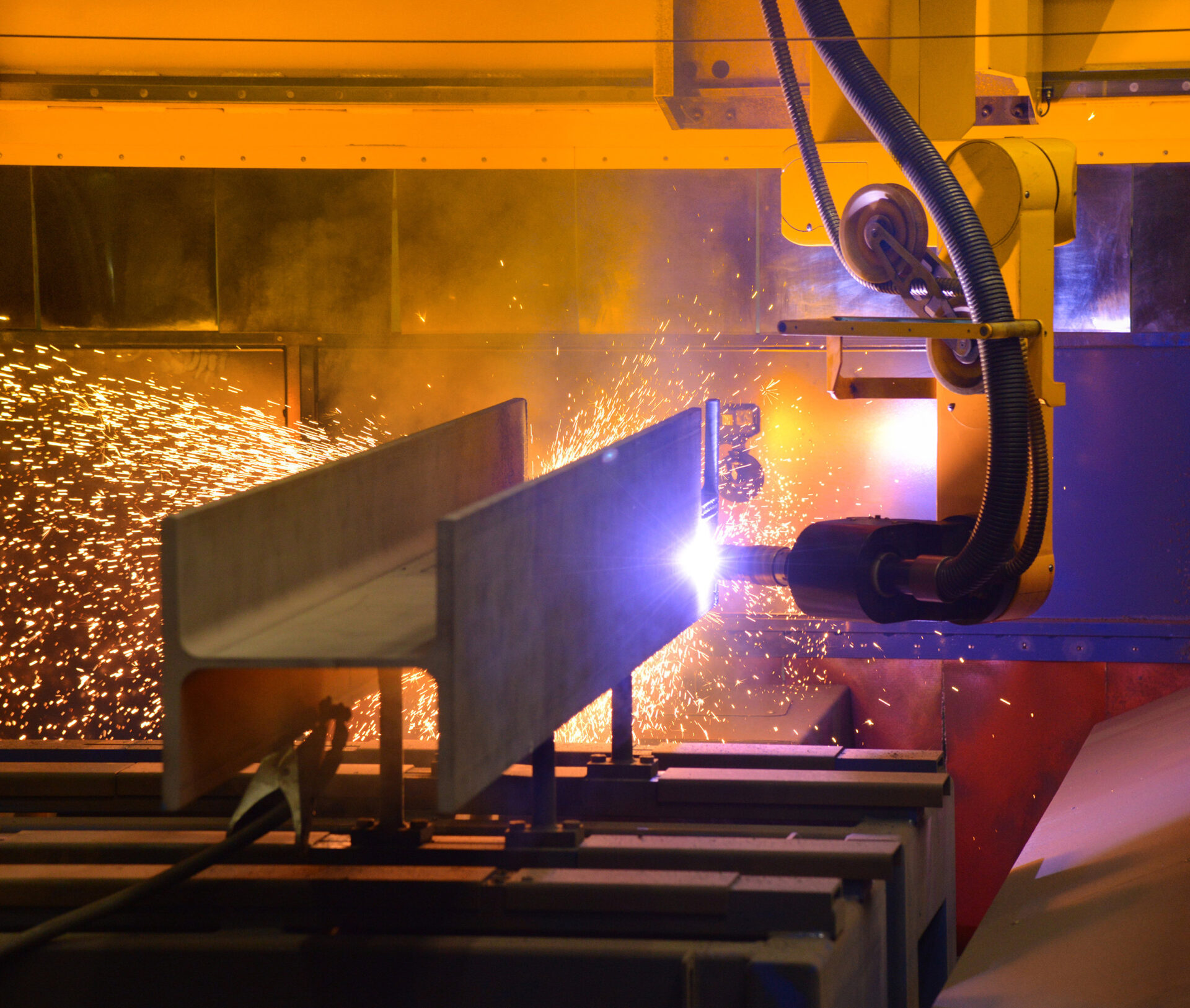
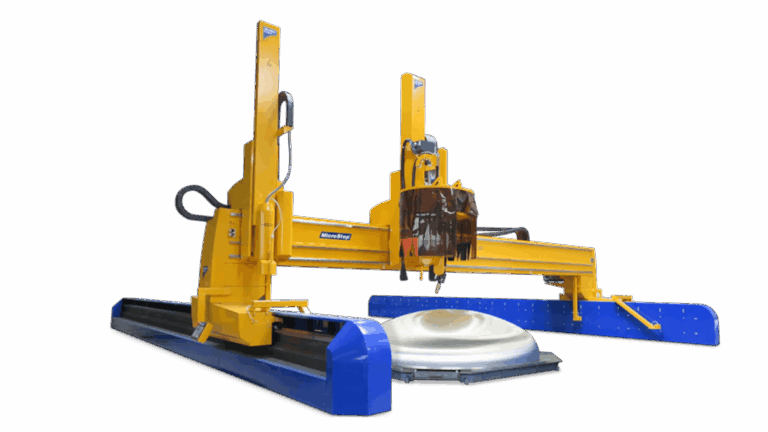
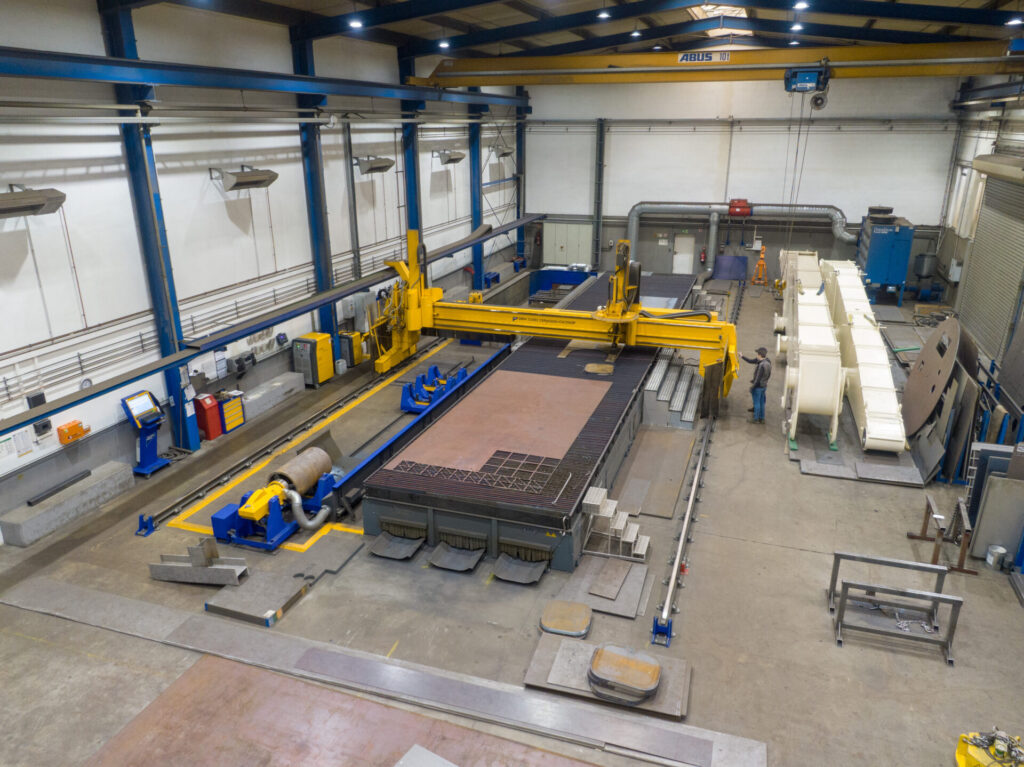
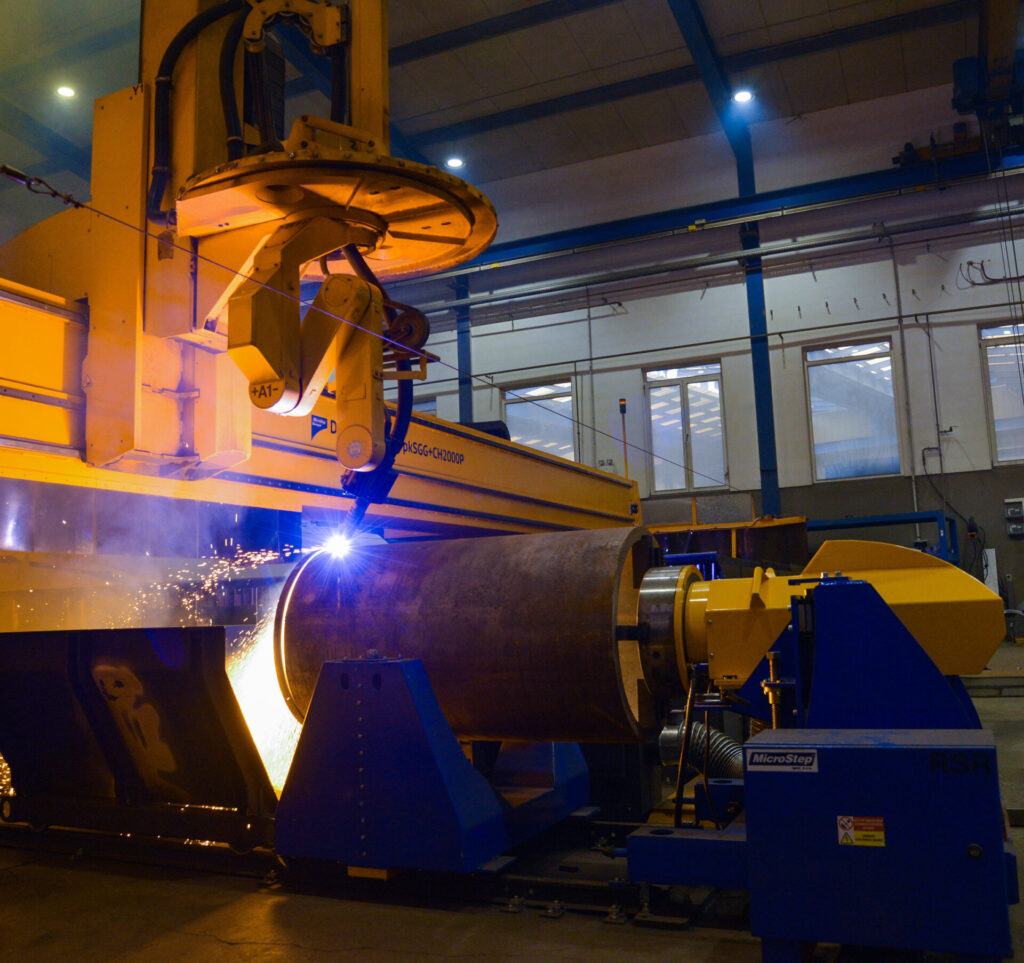
STF’s new multifunctional DRM cutting machine addressed its production challenges. Structural steel plates up to 180 mm thick are cut with a plasma rotator or, at the higher end of the range, by an integrated oxy-fuel torch. Profiles up to HEB 1000 and pipes up to Ø 700 mm, which used to be cut manually in a laborious process, are now handled by the machine – quickly, automatically, and with a greater accuracy. A 3D laser scanner ensures precision across all material types and shapes, significantly improving the production process.
The shift to an automated production system marked a significant milestone for STF. The automation of weld edge preparation has significantly cut down production time. The company can now maintain minimal sheet inventory, opting to order most materials as needed and process them in a just–in-time manner.

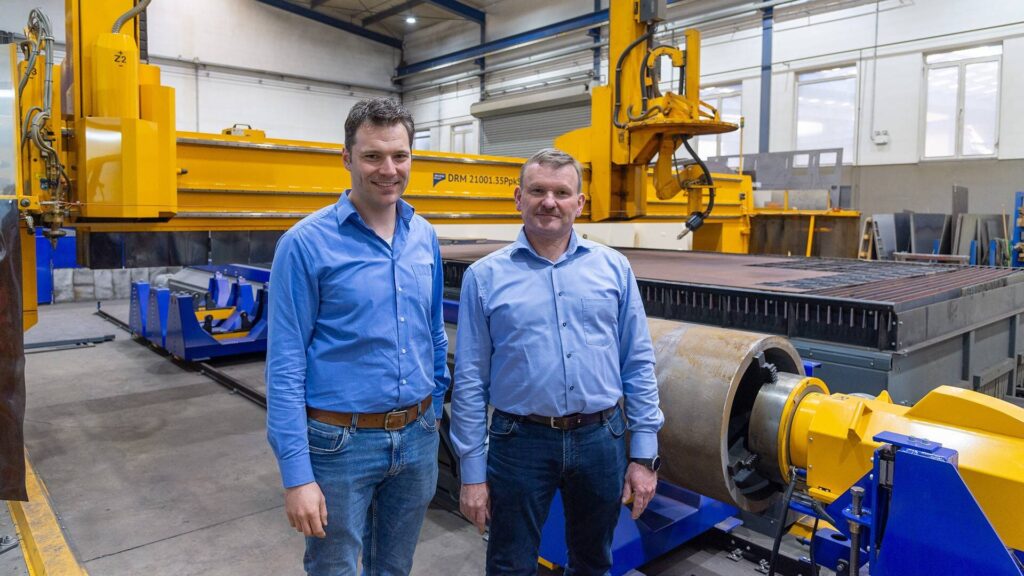
“We are very satisfied. The machine performs well and every promise has been fulfilled. We can process our entire material spectrum and even expand it,” emphasizes Friedl. “It was a milestone transition from the old machine to the new one and we aim to exploit its full potential,” he adds. Kühberger notes, “The best part is, we still have room for innovation. We keep finding new ways to utilize the machine.” With tighter market conditions and the need for precise cost calculations, the new cutting solution has proven invaluable. “By automating much of the initial work, we save a lot of time and can allocate more manpower to setting, welding, and further processing. We also achieve significantly higher accuracy in our components,” Kühberger concludes. “These are all positive effects that are felt throughout the entire company.”