

Exciting projects can only be implemented with modern technologies
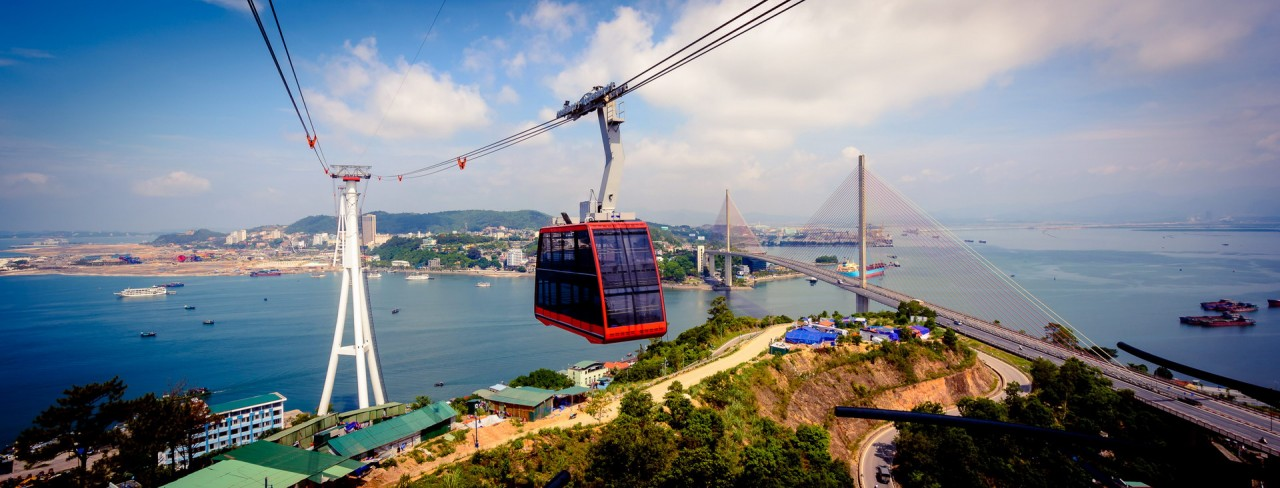
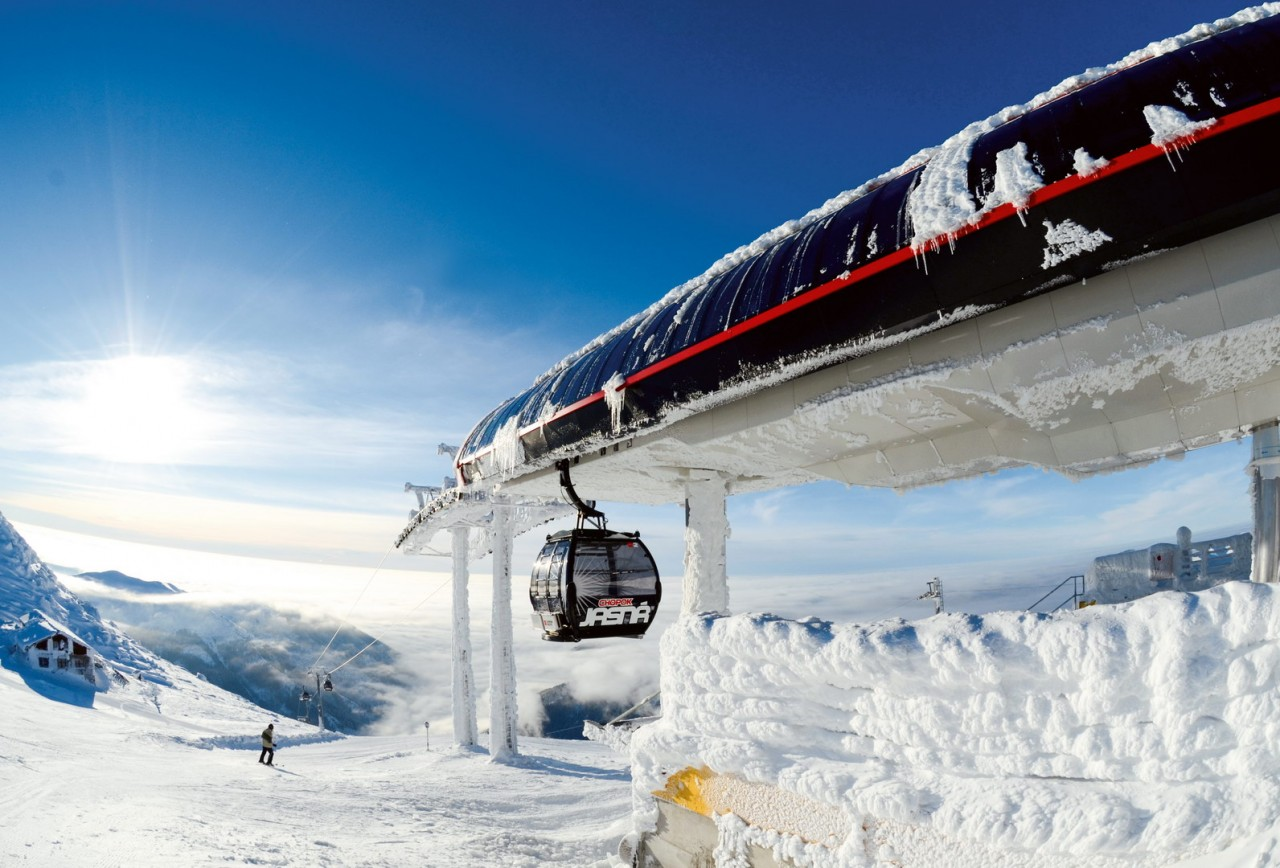
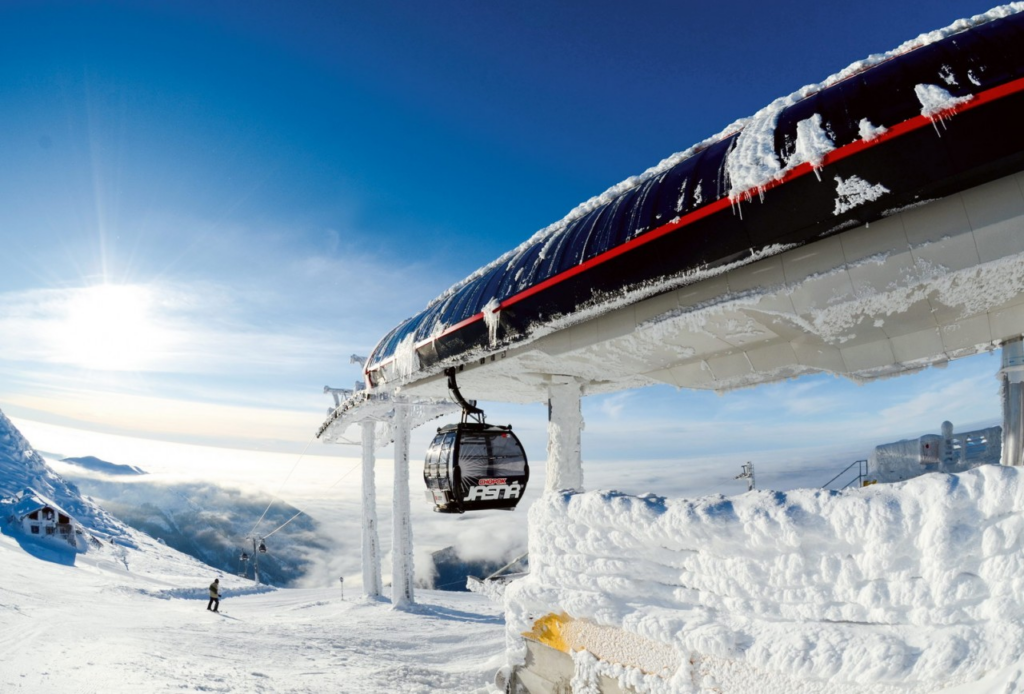
The company’s history is characterized by innovations, records and superlatives. Adjectives such as “longest”, “greatest”, “highest” and more adorn the headlines of richly illustrated articles in newspapers and magazines. Cable ways open up remote corners of the globe at lofty heights and connect people with cities and nature through innovative transport solutions. In 95 countries on six continents, several thousand cable car installations are in use every day.
It is no coincidence that the company has been the market and technology leader for more than half a century. “Foresight, trend recognition, innovation. These are the strengths that Doppelmayr’s customers can rely on.
Leading technology, good experience and service proximity all speak for MicroStep
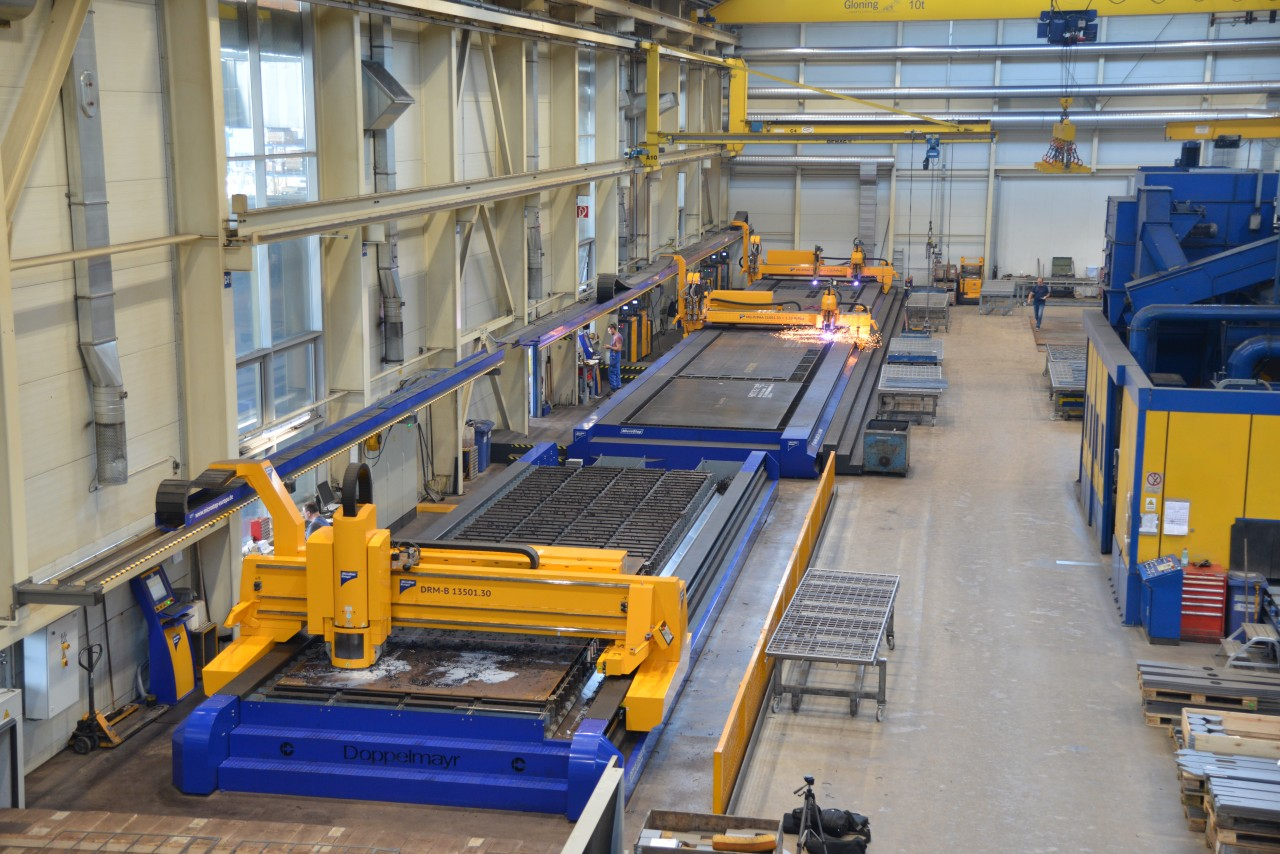
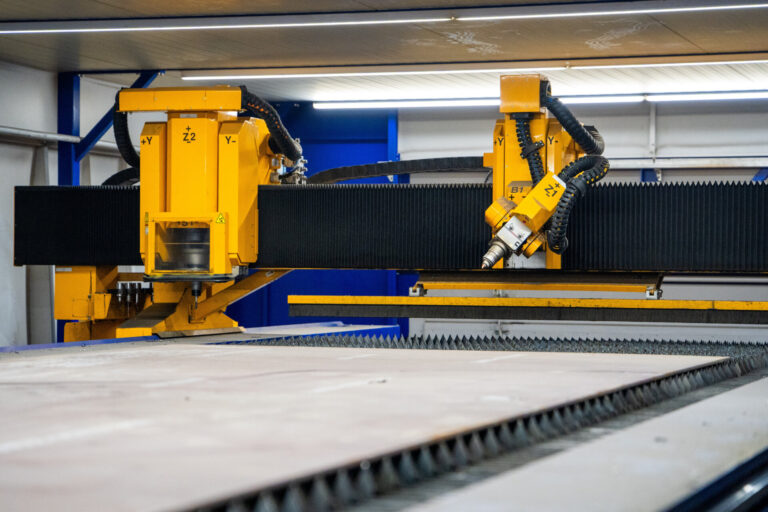
There are always new and exciting projects on Eberle’s desk. The market demands ever shorter delivery times for increasingly individualized solutions. “As a market and technology leader, it is of course our goal to always maintain the highest technological level. To achieve this, it is necessary to keep relying on new technologies in production,” says Mr. Eberle. The Doppelmayr/Garaventa group has experienced another such success in the recent past. During the last two years, their entire cutting department has been fundamentally modernized. The global group relied on MicroStep’s solutions – as has been the case for more than 15 years now. At the turn of the millennium, Doppelmayr was looking for a suitable job cutting provider but was unable to find one that could make the up to 5,000 parts they needed daily. “So, we had to search for a supplier of cutting equipment and, fortunately, ended up at MicroStep,” Mr. Eberle looks back.
Special solution saves manipulation time and increases precision
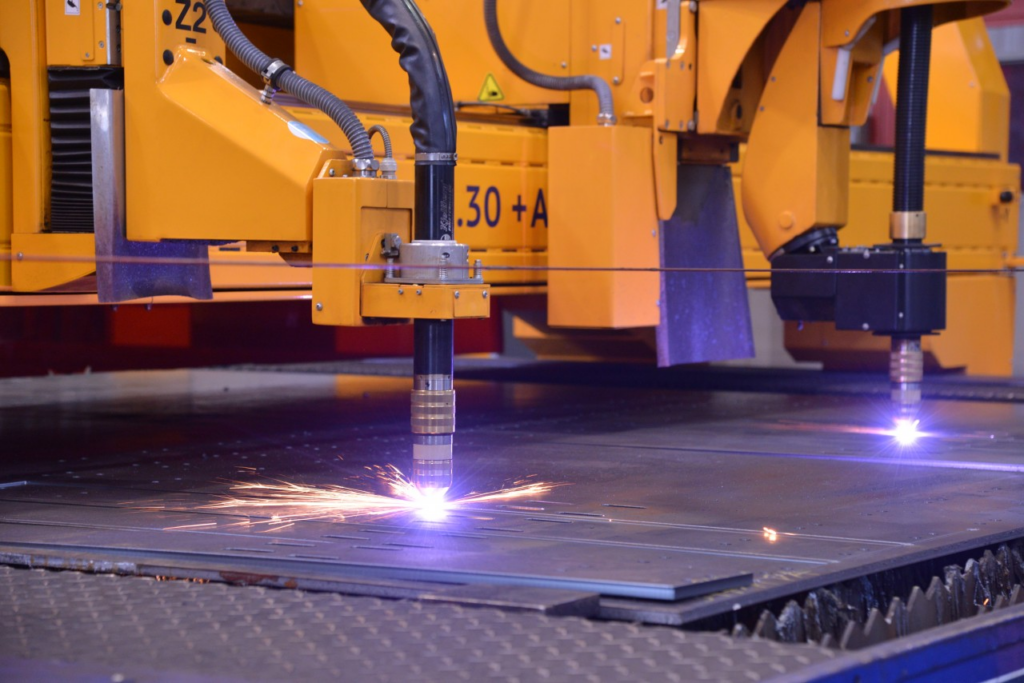
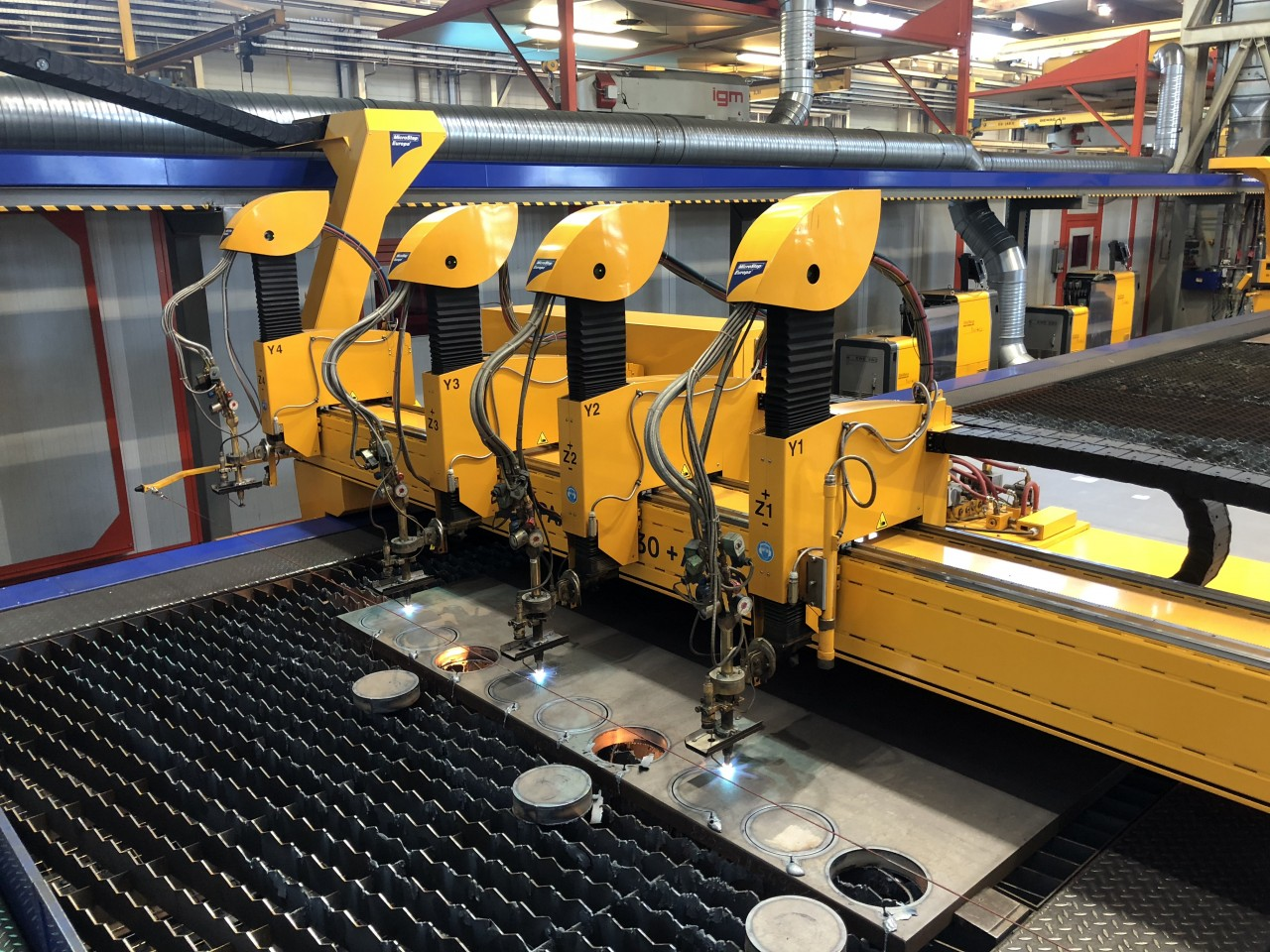
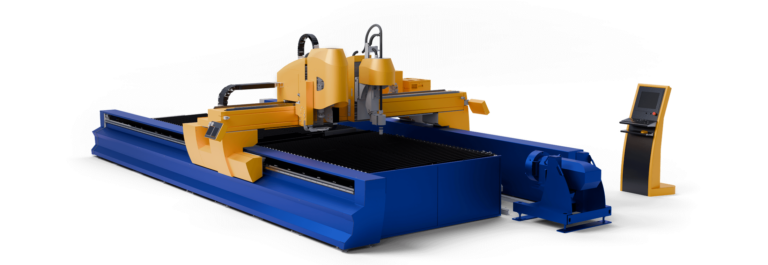
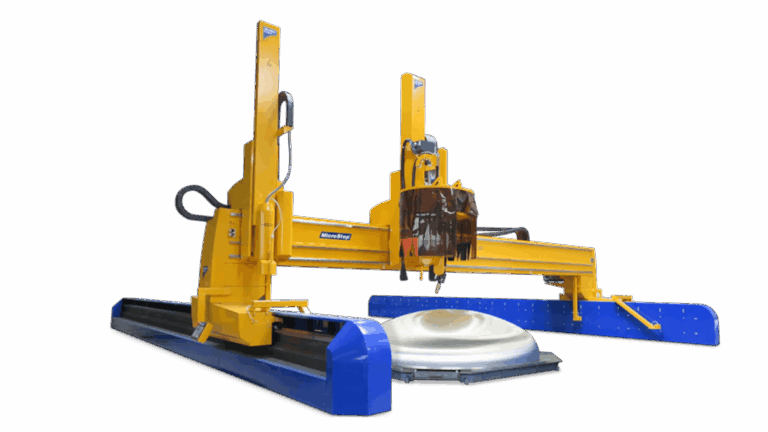
The decision was easy to make: Doppelmayr wanted a single supplier for software, controls, drilling and cutting machines. MicroStep was the only company to offer such complete solution. And so, the 60-meter-long production line did almost two decades of good work – until came the time to modernize it. The main requirement was to increase the precision of bevel cutting so that no problems would occur during subsequent automated robot welding. In addition, the new purchases should provide more flexibility, productivity and efficiency. “Our cutting process needs to be very accurate because we then weld about two thirds of the components with robots. That’s why we need a tolerance of maximum ±0.5 mm here. This is a very, very high requirement for this thermal process,” emphasizes Walter Eberle.